

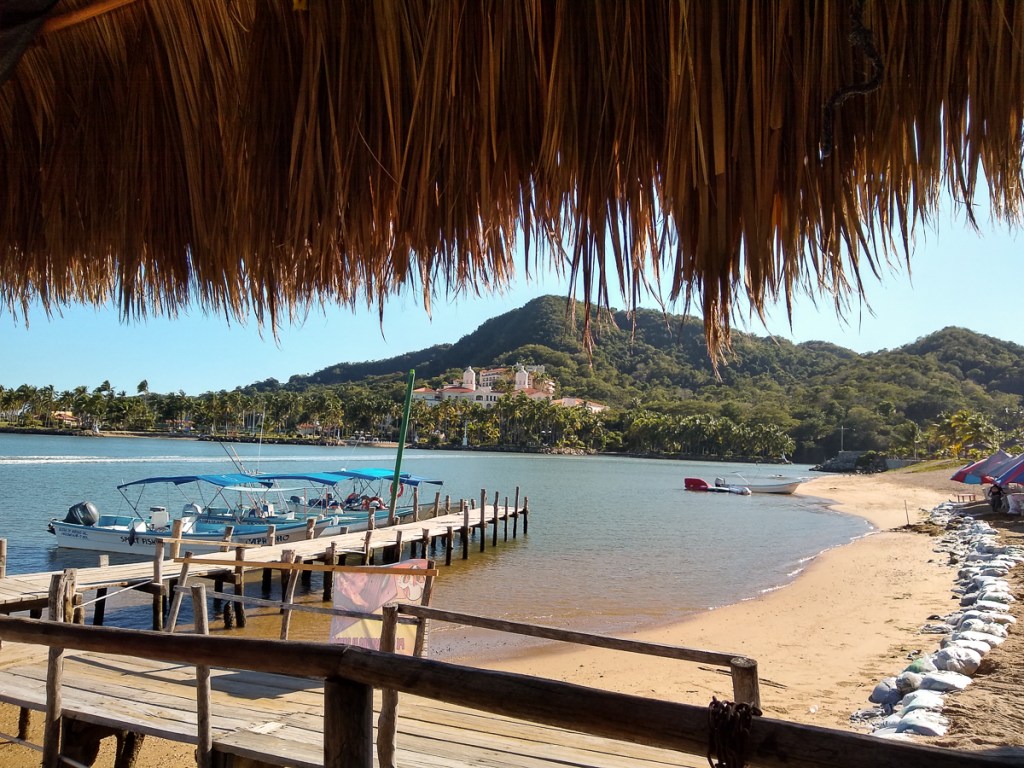
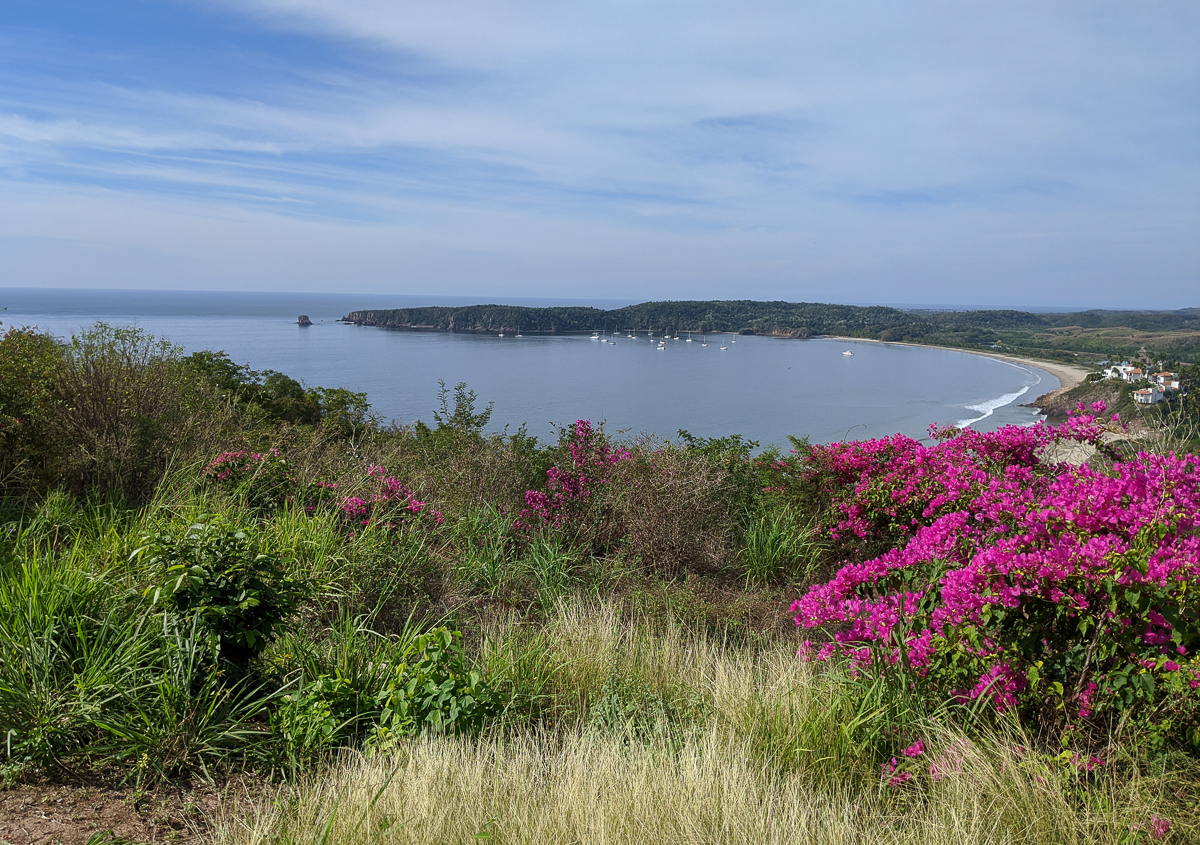
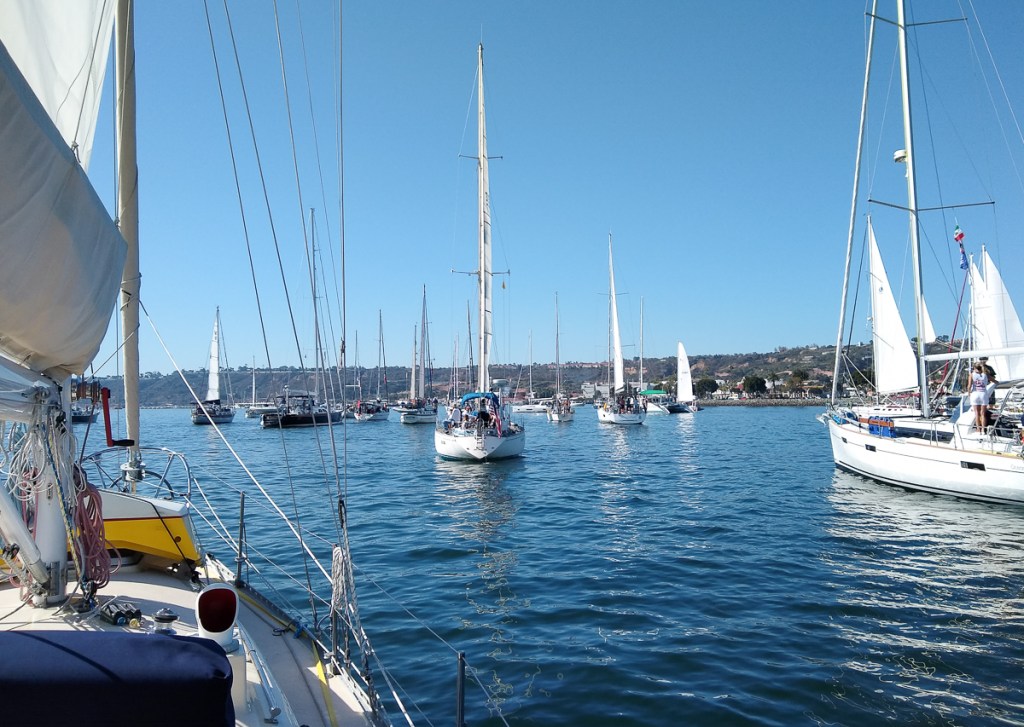
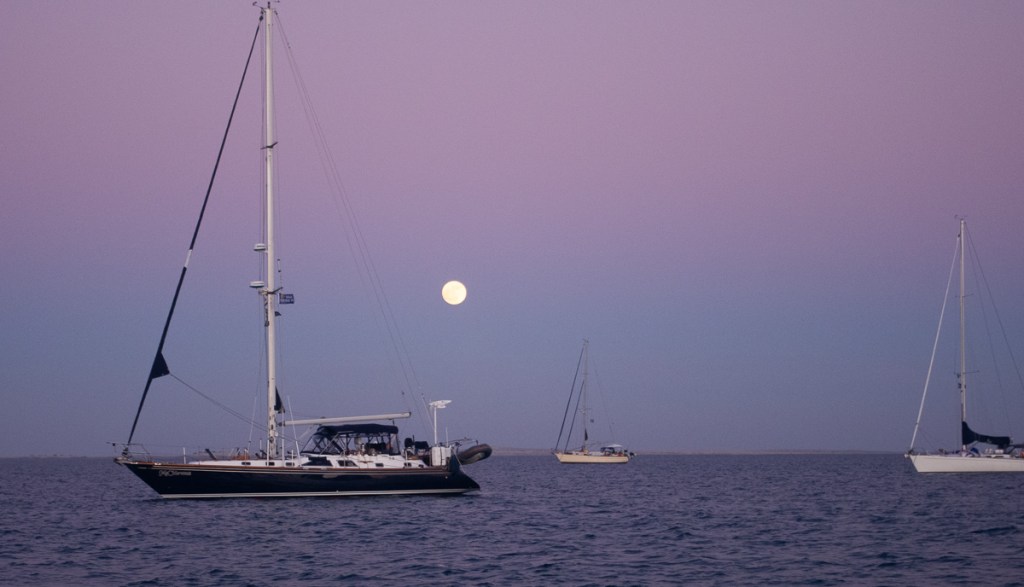
Bahía Tenacatita is about twenty-five miles past Chamela, a motor sail easily done in one day. It’s a bigger, very well protected bay that had about 30 boats anchored in it when we arrived. The north end, where most of the boats anchor, has a palapa (palm roofed) restaurant by the estuary mouth and a hotel/resort a short walk to the east along a beautiful sandy beach. The nearest town is La Manzanilla on the south end of the bay. At Tenacatita there is an active morning radio net, afternoon activities including some very competitive bocce ball on the beach or walking on the beach. Occasionally a couple of games of Mexican Train would get played. After the activities, everyone would meet up at the palapa and then head back to their boats. Friday evenings featured the mayor’s raft up for happy hour.
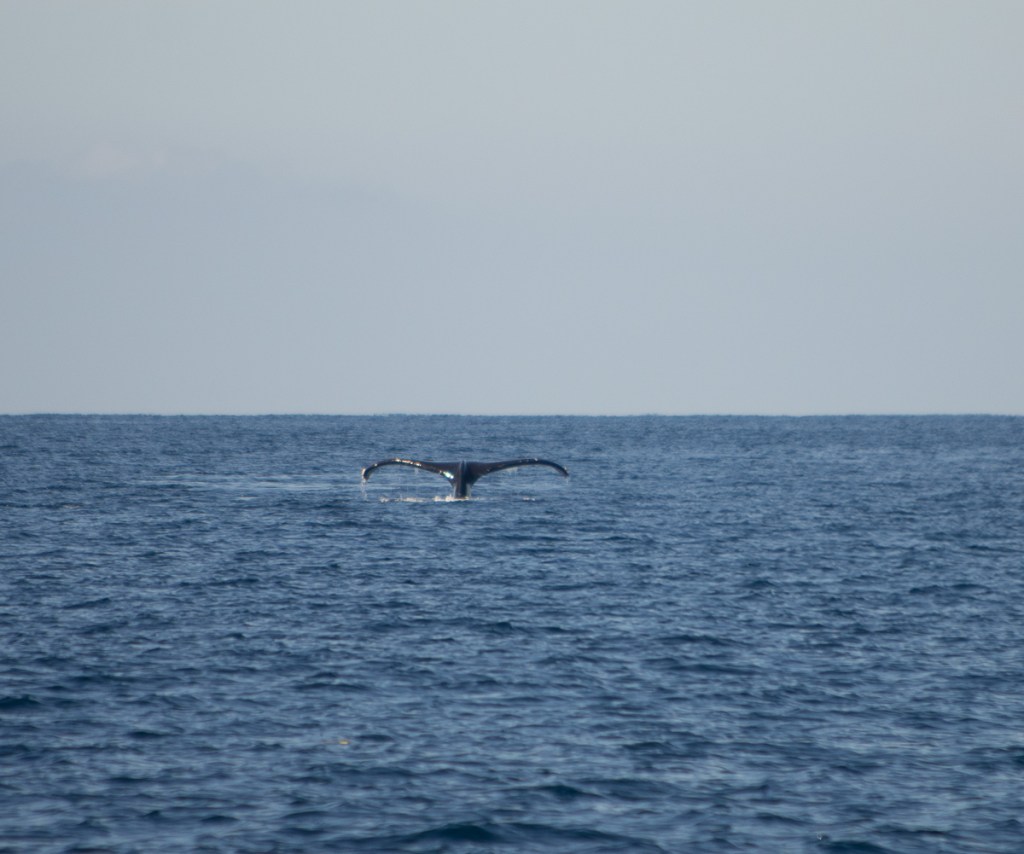
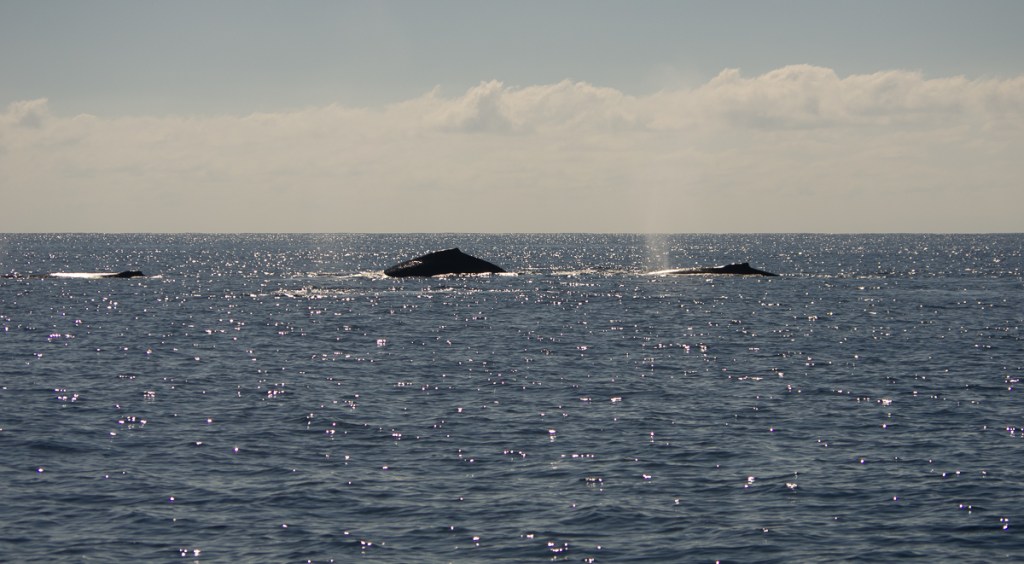
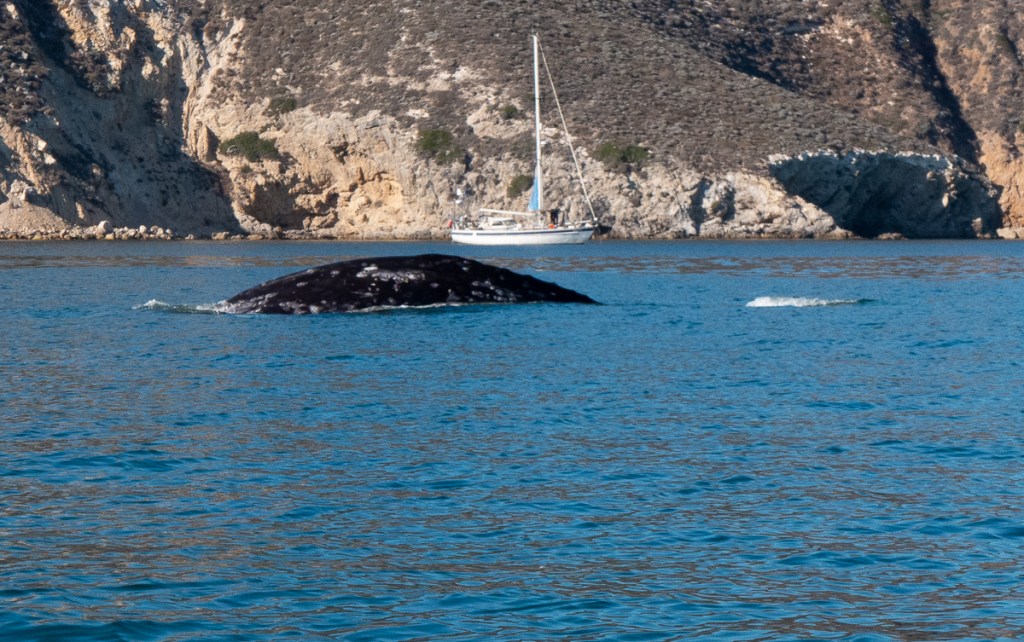
There are boats that spend months at Tenacatita. The water is warm and clear, great swimming and snorkeling can be had, and a trip up the estuary is fun, either for a dinghy trip to see the mangroves or to head out to the raicilla distillery at the point. The bay is also perfect for a day sail and we saw a mother and baby whale while we were out one afternoon.
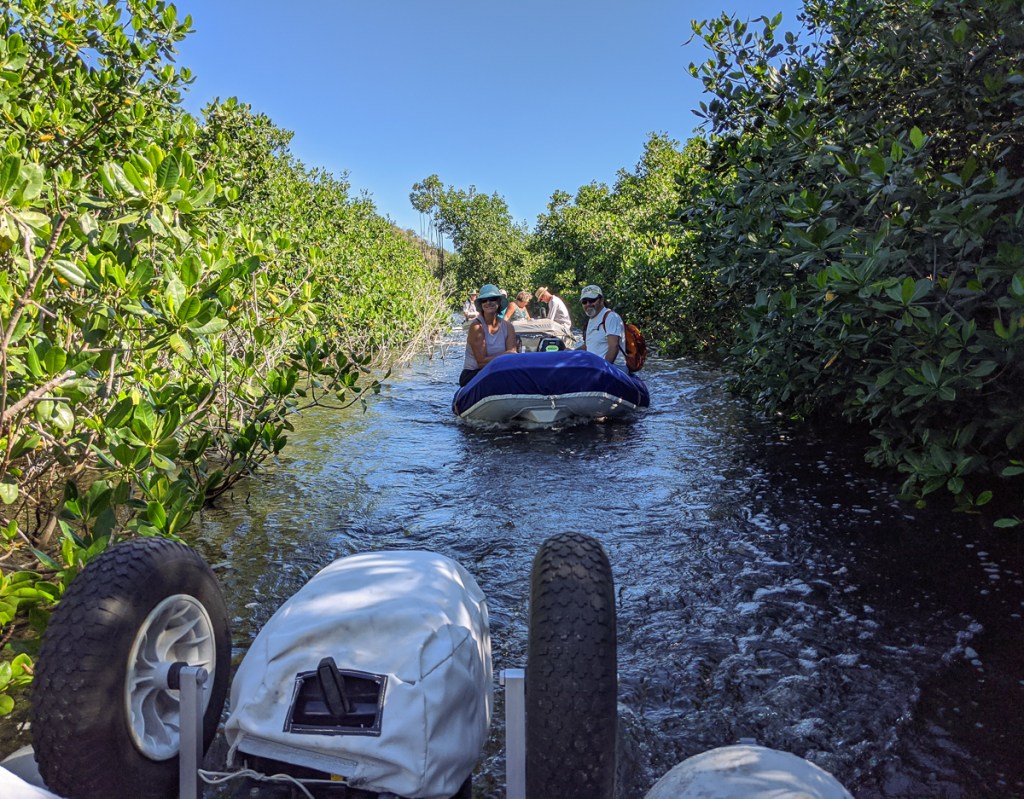
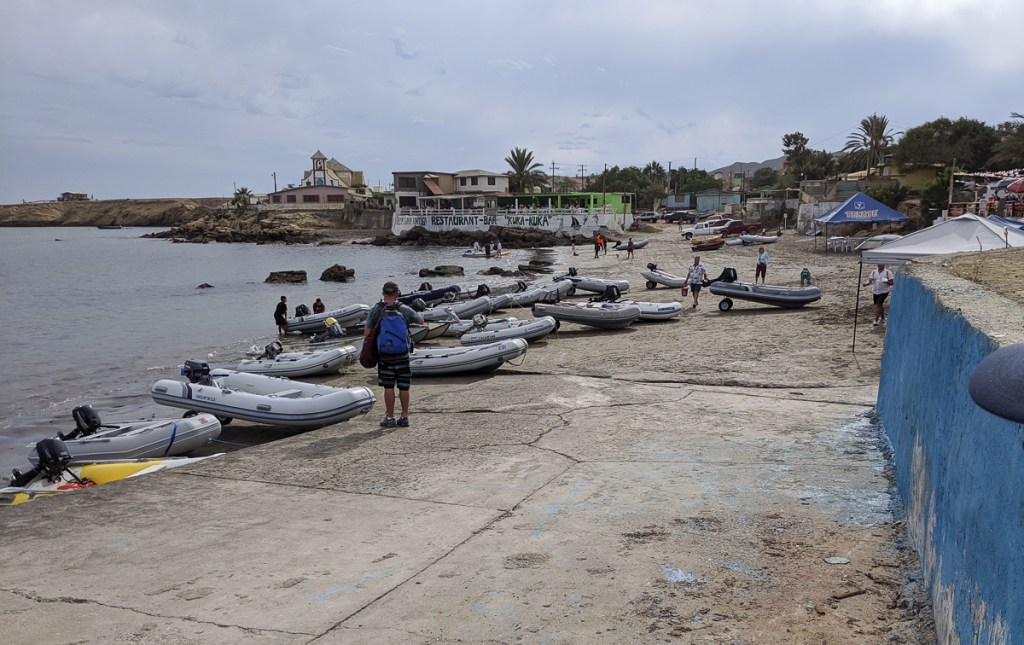
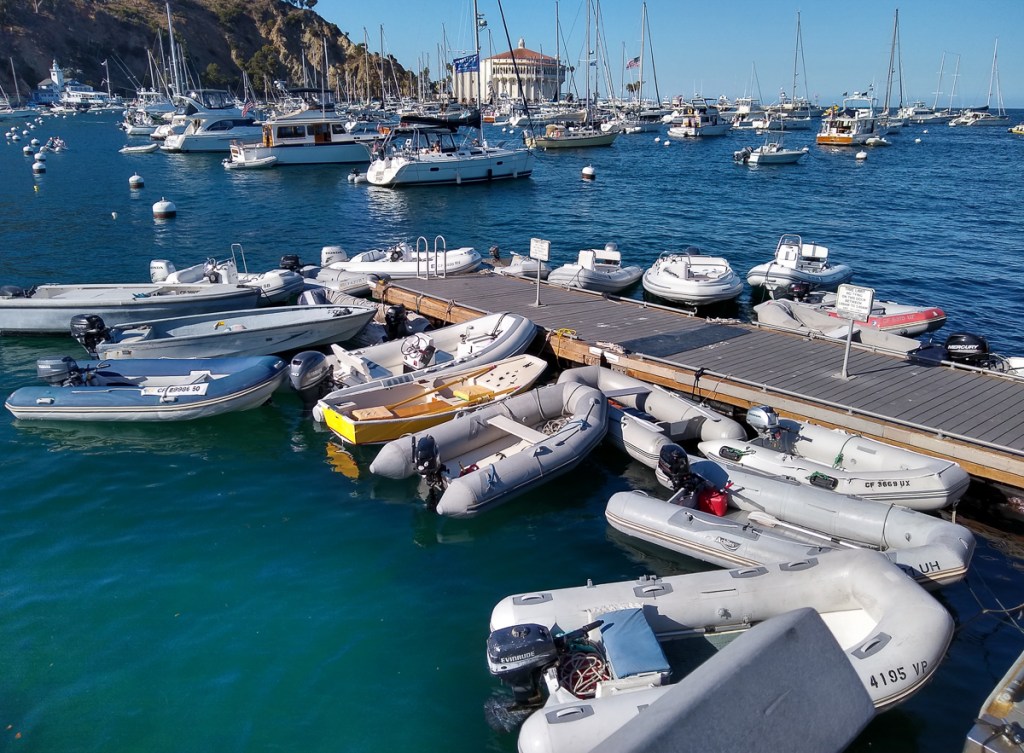
Note the dinghy wheels at the bottom of the photo. Almost everyone with an inflatable uses them. When you get close to shore, the wheels are dropped and in you motor. They make hauling the dinghy up the beach much easier than the drag or carry method.
After about a week in Tenacatita, Bill realized the batteries weren’t fully charging. We have three 80 watt solar panels, and even with running the engine for an hour a day, the charge wouldn’t get above 90 percent. Time for some equalizing. This meant we needed to find a marina and plug into shore power. Equalizing charges at a higher voltage than normal to try to convert the lead sulfate back into lead. The nearest marina is Barra de Navidad, another day sail south.
After a couple of days in the marina, we headed out to the Barra anchorage. Caught a panga into Barra and a combi, a local bus, to Melaque to find an ATM and some groceries. All local transactions are cash, so topping up the funds when you can is important, as not all towns have an ATM. Melaque is larger than Barra and has some decent abarrotes, or small mini markets, and a big grocery store. Most mini markets have a small selection of fresh food, but it’s nice to branch out occasionally from roma tomatoes, poblano peppers, cucumbers, and onions.
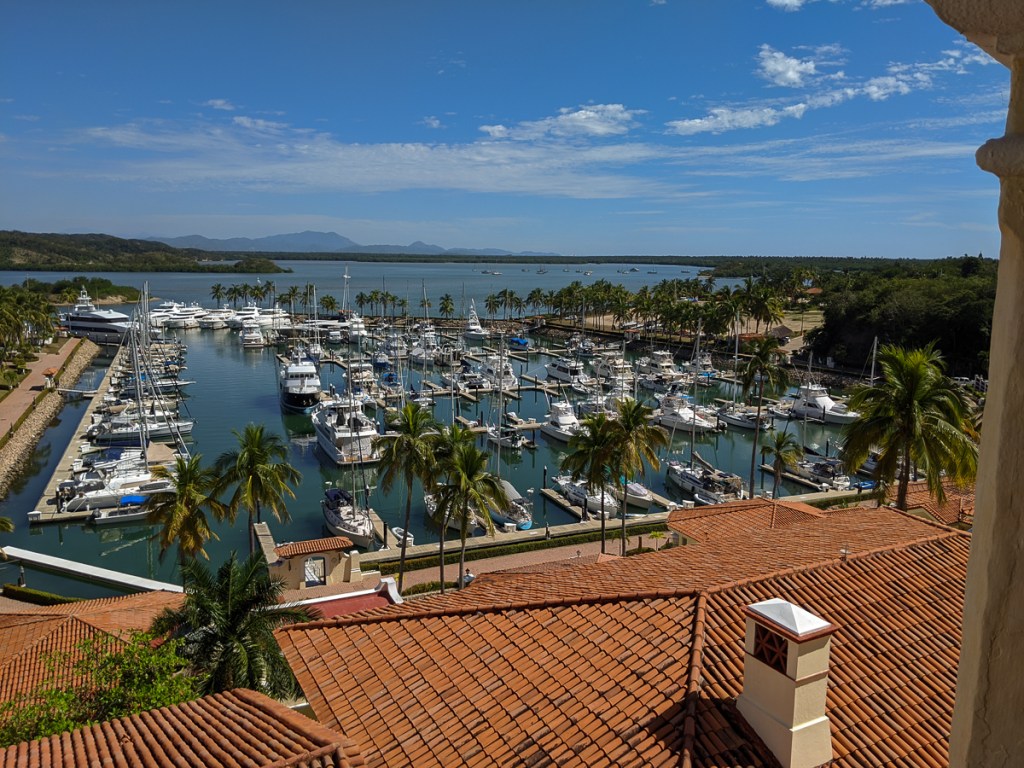
Top middle: a view of the marina from the hotel. The lobby is six floors up from the marina side of the hotel.
Top right: the town side of Barra. To get from the hotel or the anchorage you have to take a panga, a water taxi. This is the beach near the landing.
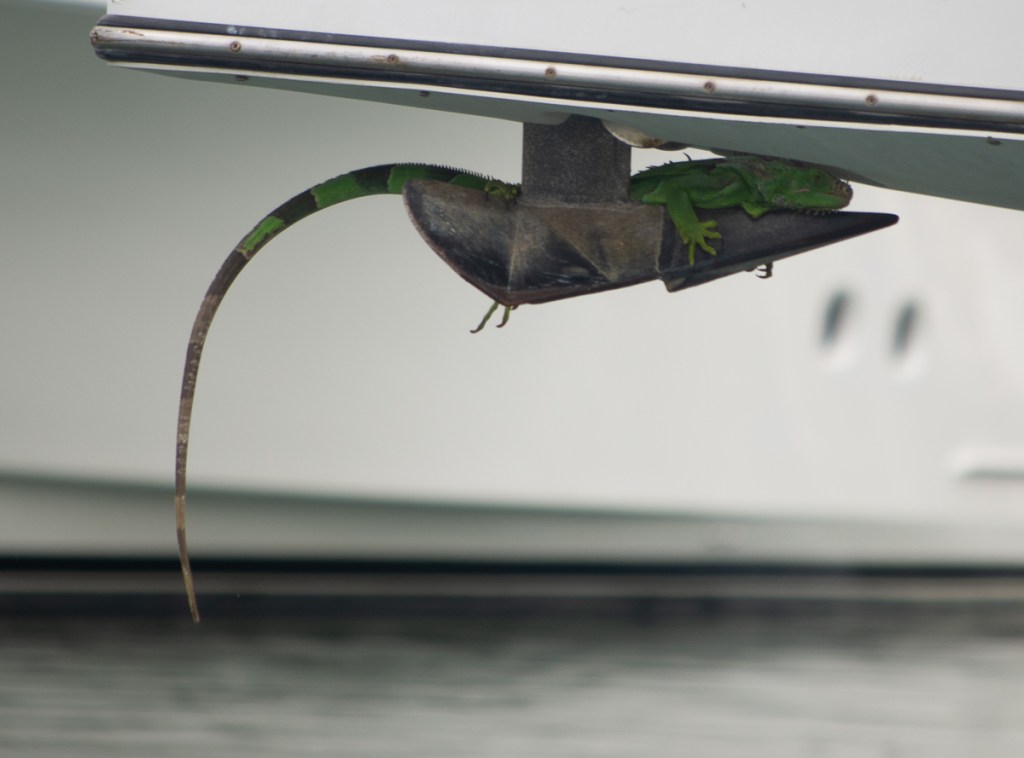
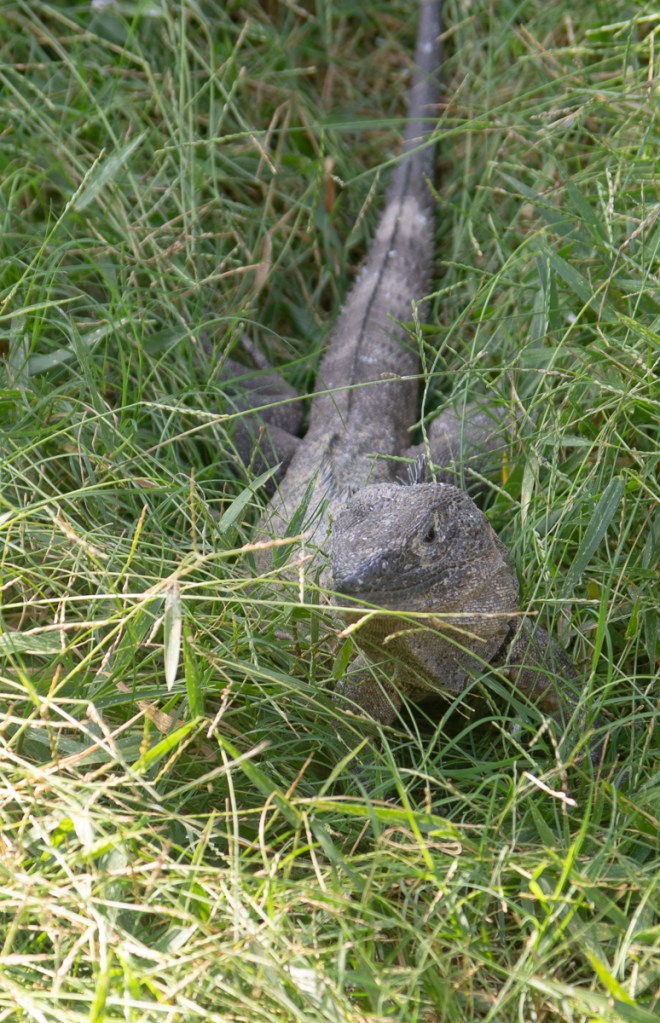
Bottom left: an iguana at rest. We’d seen a 3 foot iguana on the dock one morning and as we approached it dove into the water. They’re aquatic! This may or may not be the same one. It was hanging around on this anchor for a couple of days.
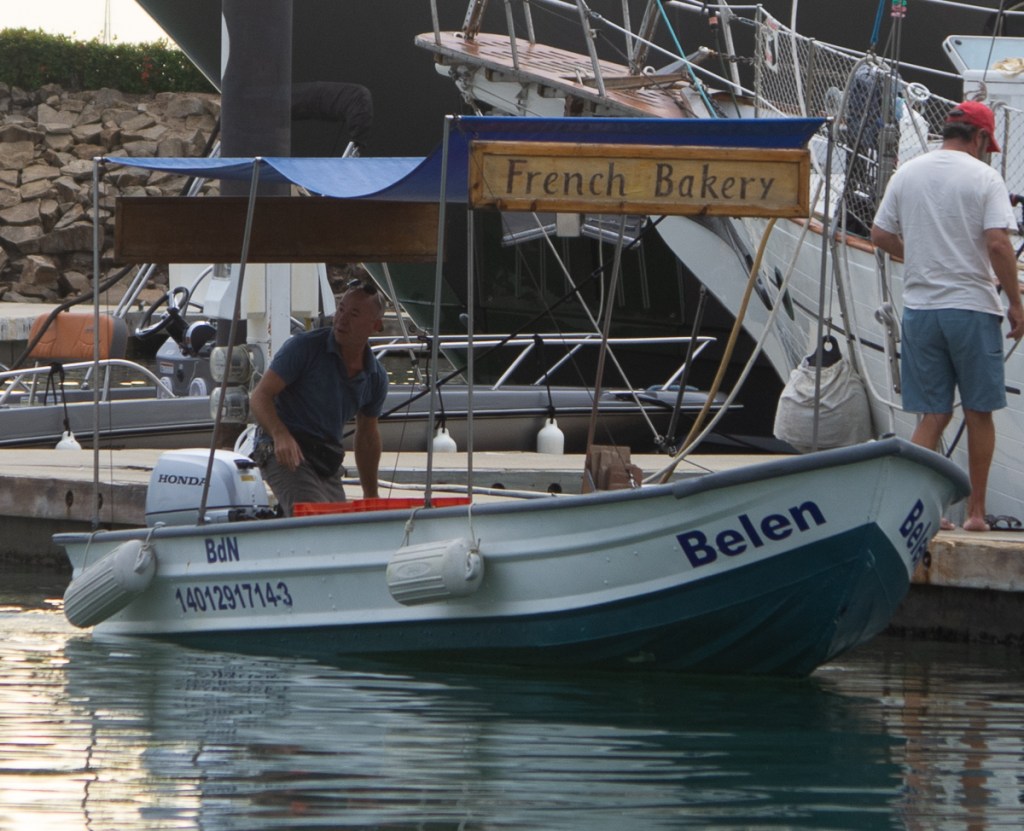
Bottom right: if nothing else, daily deliveries to the marina and anchorage by the French Bakery made our stay in Barra fun. He has a selection of pastries, quiche and bread for reasonable prices, delivered to your boat.
Back we went to Tenacatita. Some of the same boats were there, but new boats as well, coming and going from Barra or Zihuatanejo, farther south.
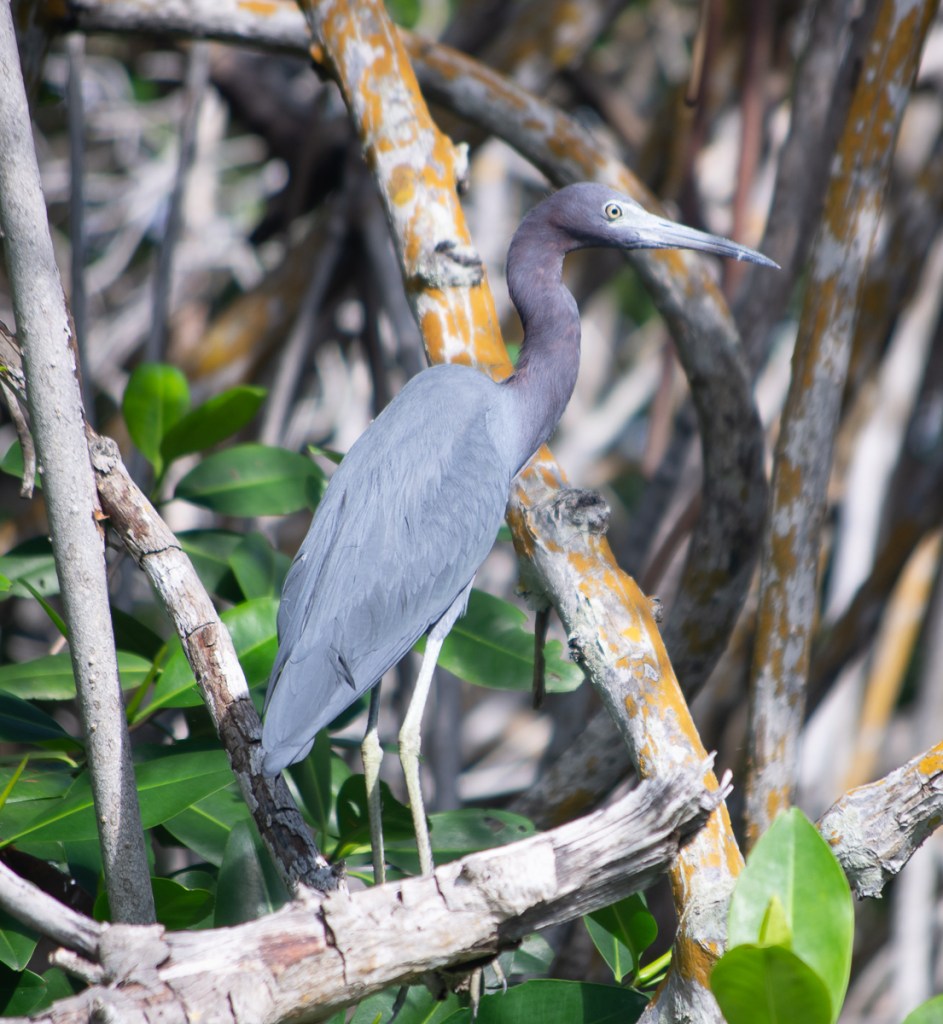


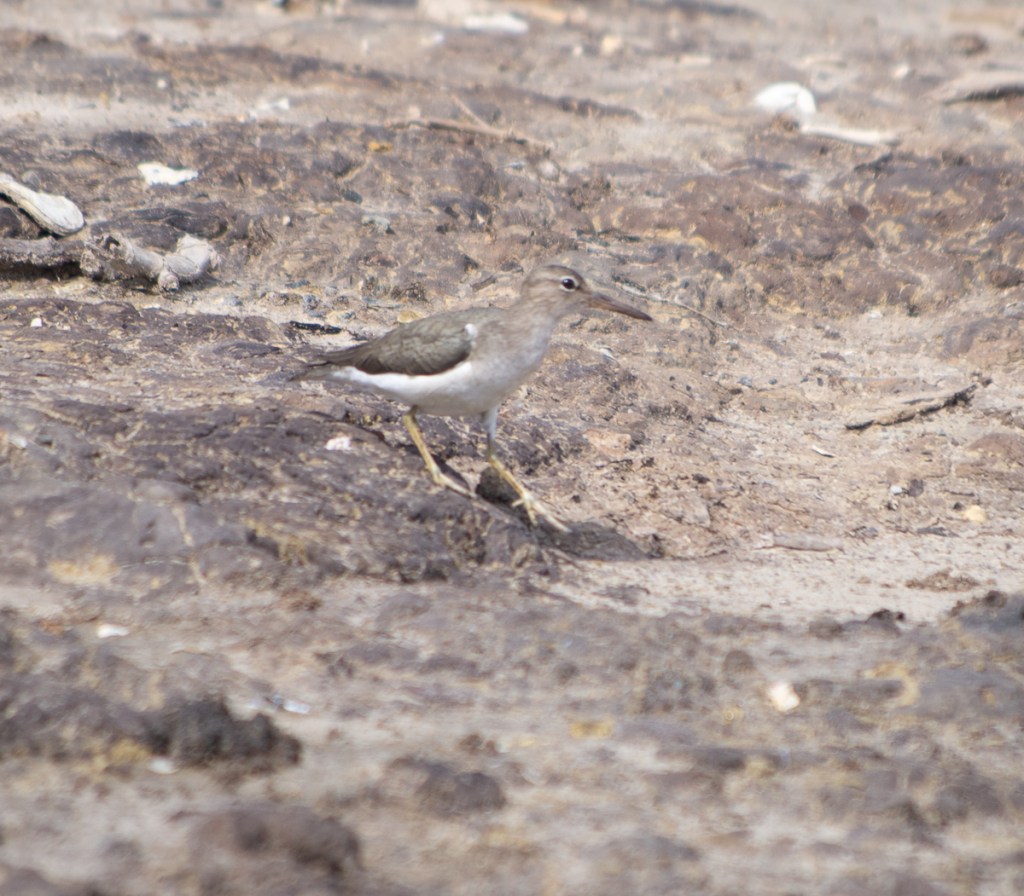




Top, L to R: Little Blue Heron, Snowy Egret, Green Heron
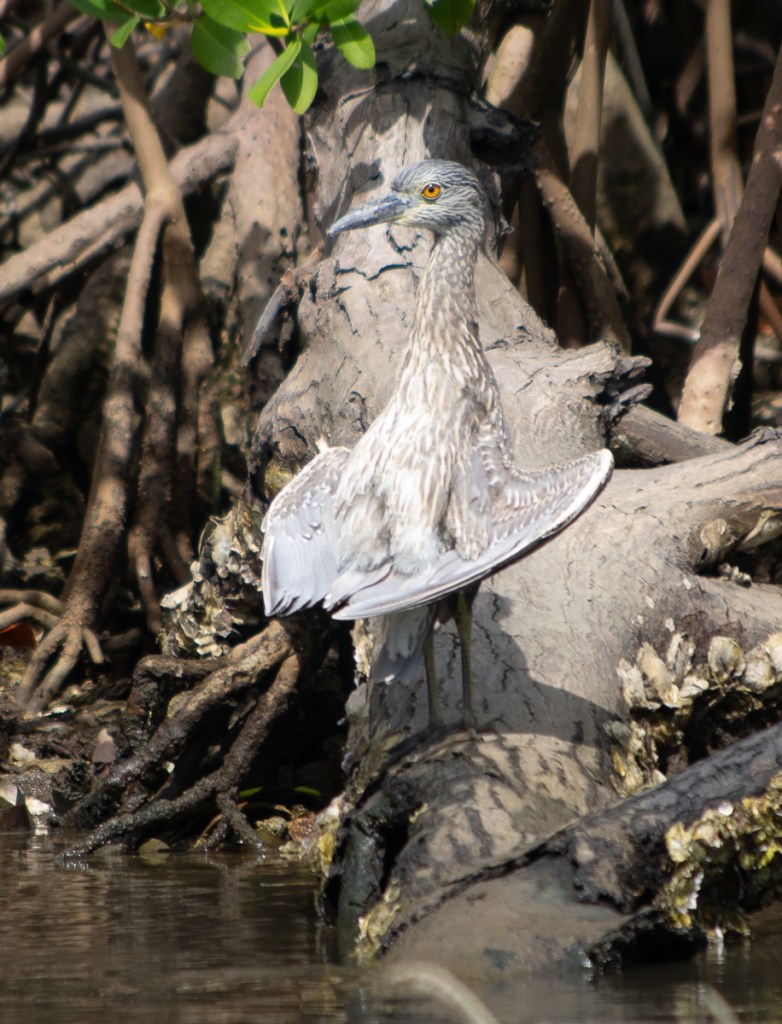
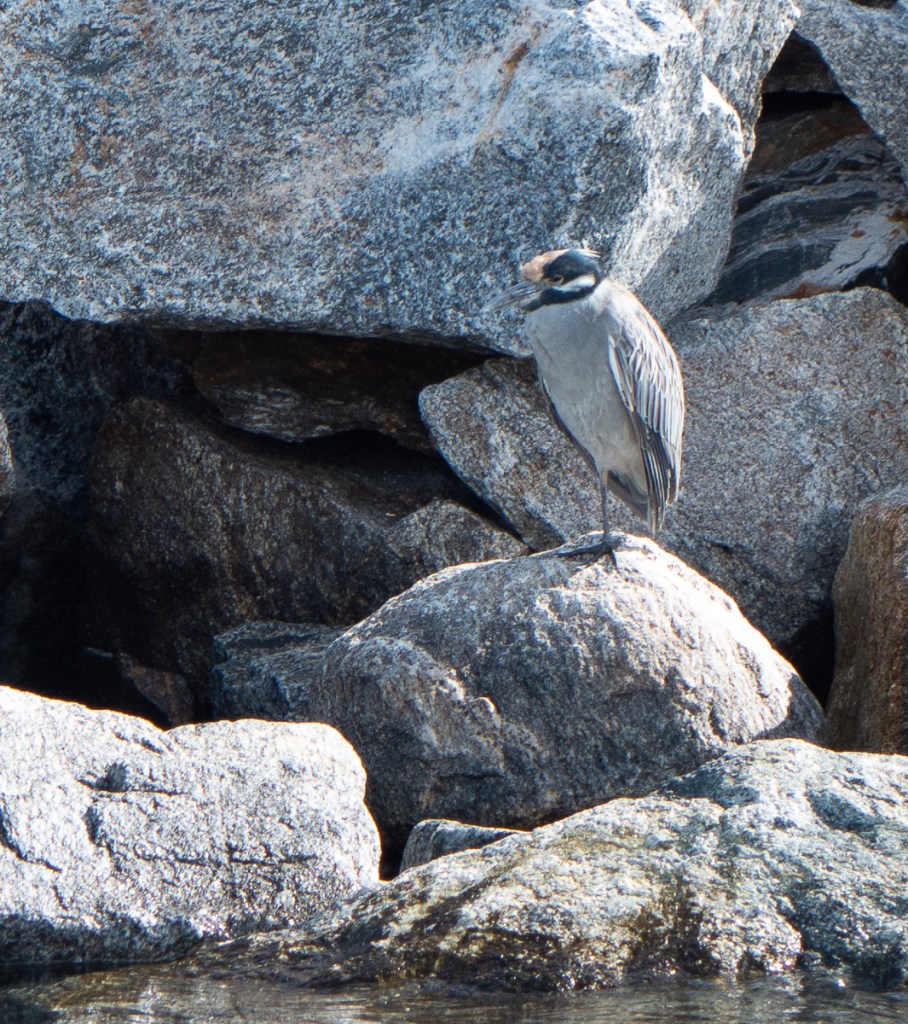
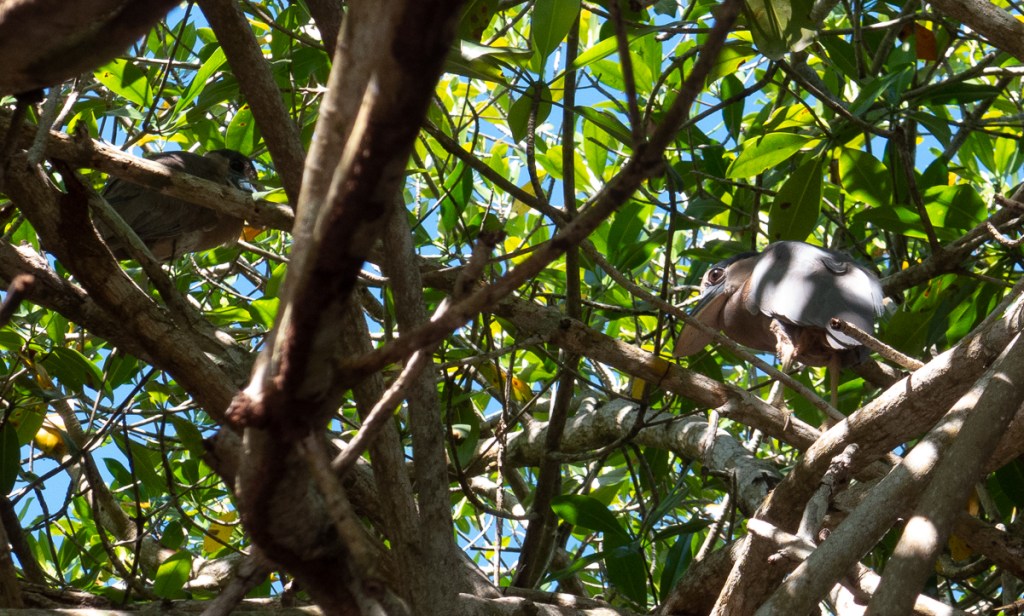
Middle top: juvenile Night Heron practicing yoga, Lesser Yellowleg, Neotropic Cormorant with a Pelican in the background.
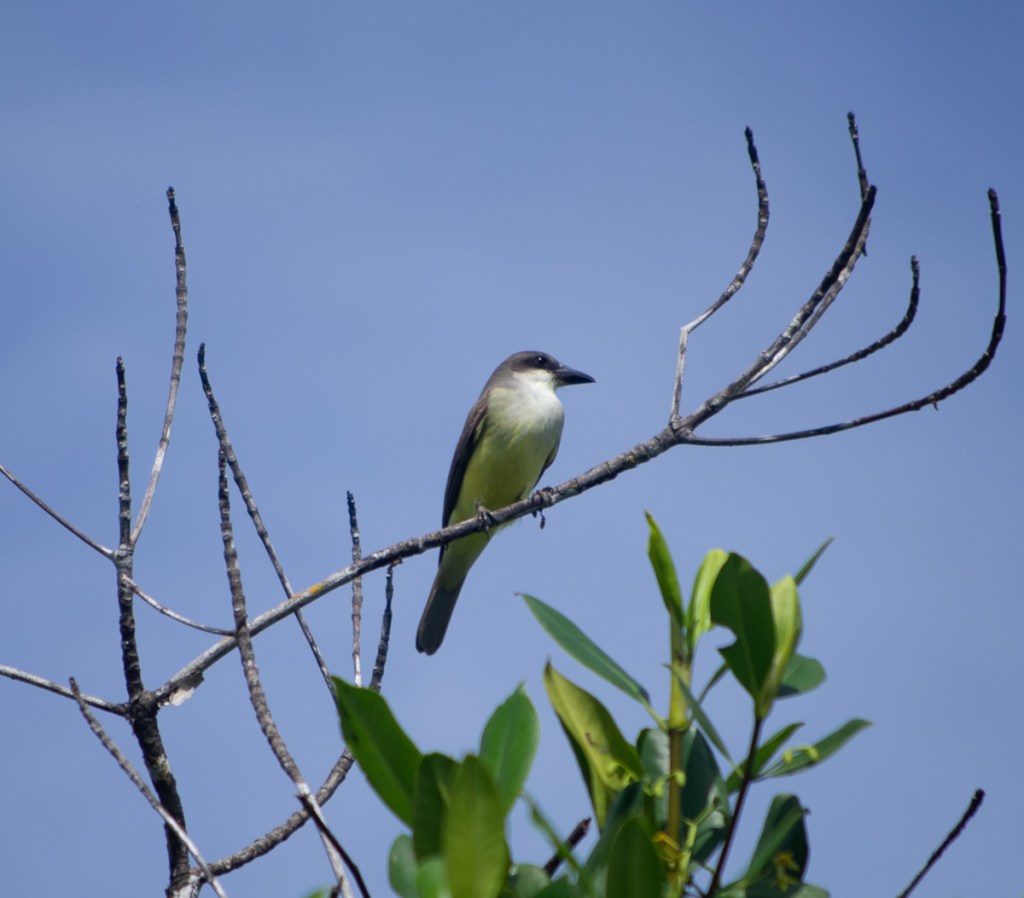
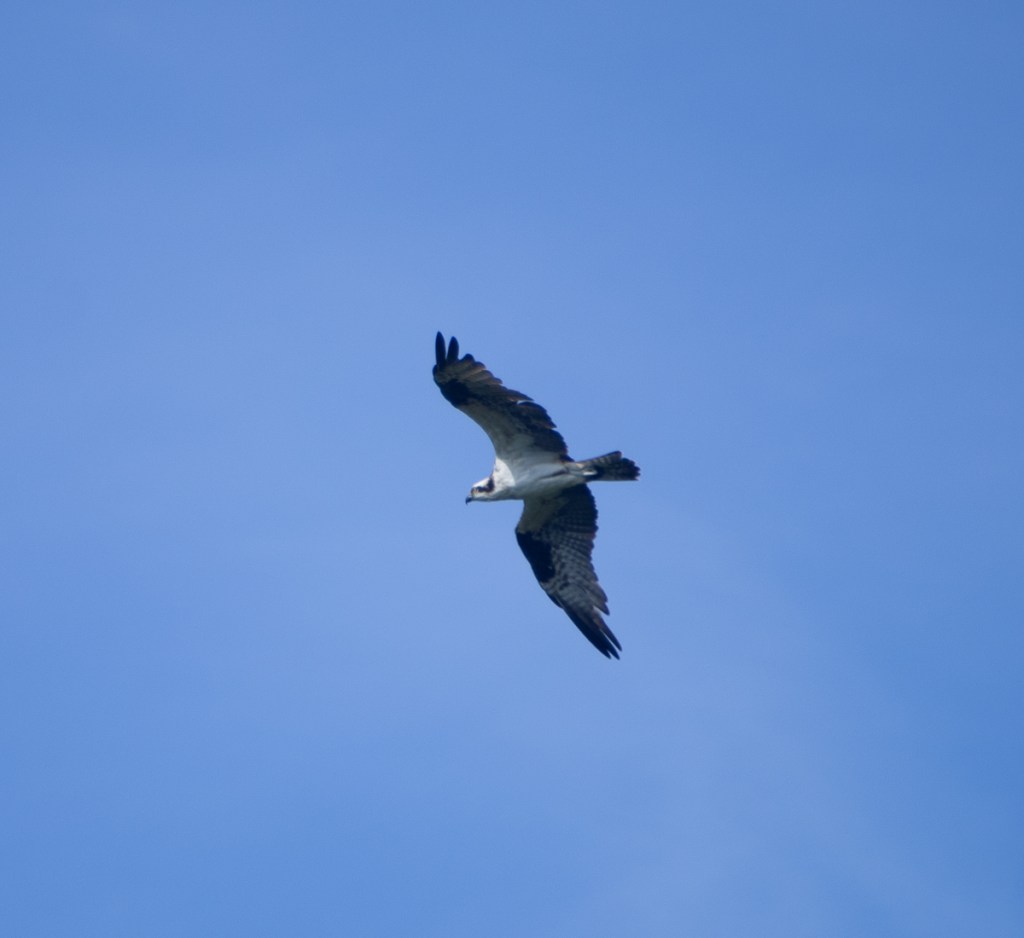
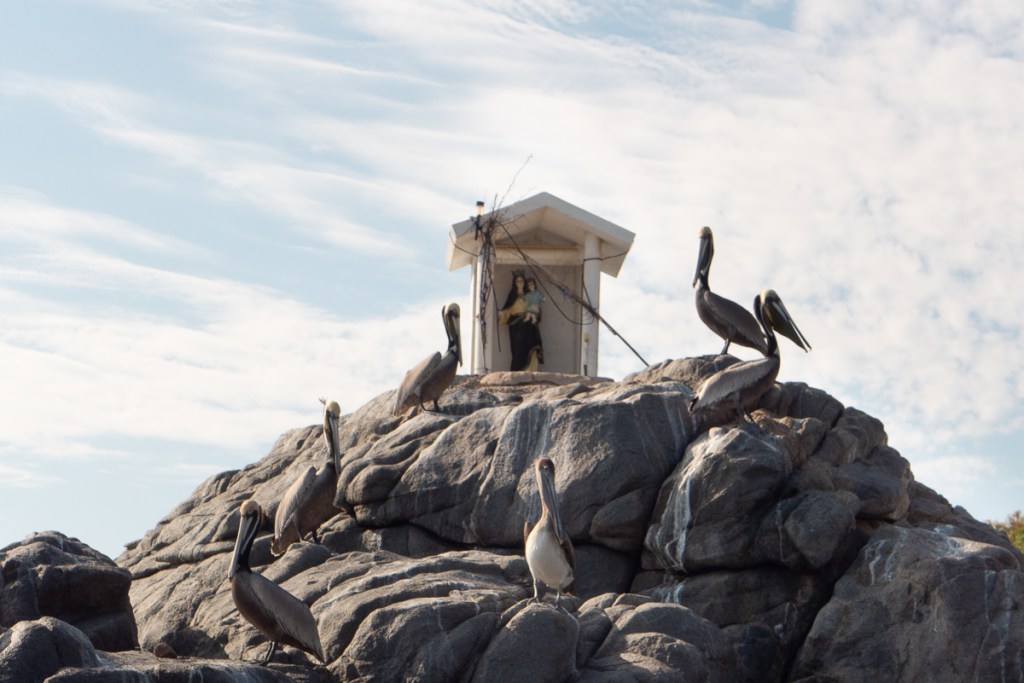
Middle bottom, L to R: Brown Pelicans, Tropic Kingbird, Osprey.
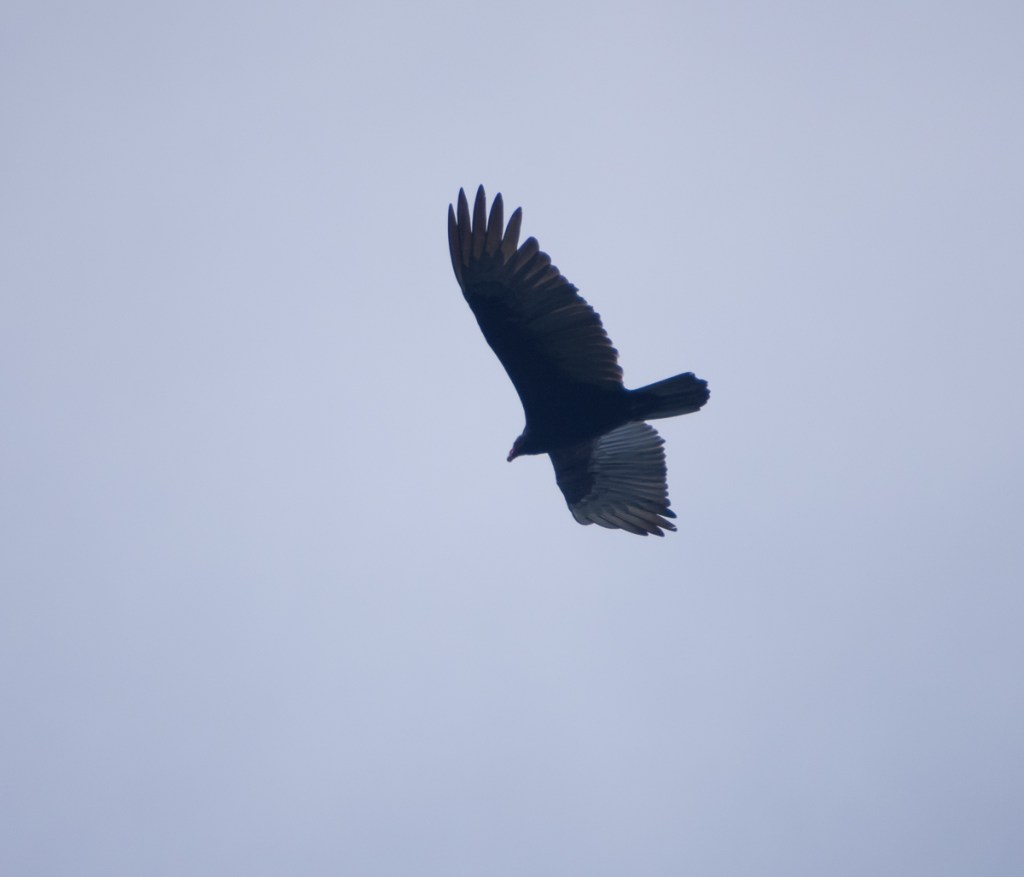
Bottom, L to R: Common Black Hawk, Black Vulture, Turkey Vulture.
(Corrections welcome if Nina has fluffed the IDs).
Since there are basically no services near the anchorage, a trip into town is necessary. We walked up to the hotel with Marshall from Tenacity to catch a taxi, about a 45 minute ride. The beach landing at La Manzanilla can be wild so we opted for the calmer, longer road trip version and saw a couple of coatis while heading up the cobble stone road from the hotel. The paved road portion of the trip is under construction. In town, the farmer’s market was on and we recognized many of the same vendors as the market in Barra. Bought a couple of small, colorful tablecloths for the boat, and some groceries.
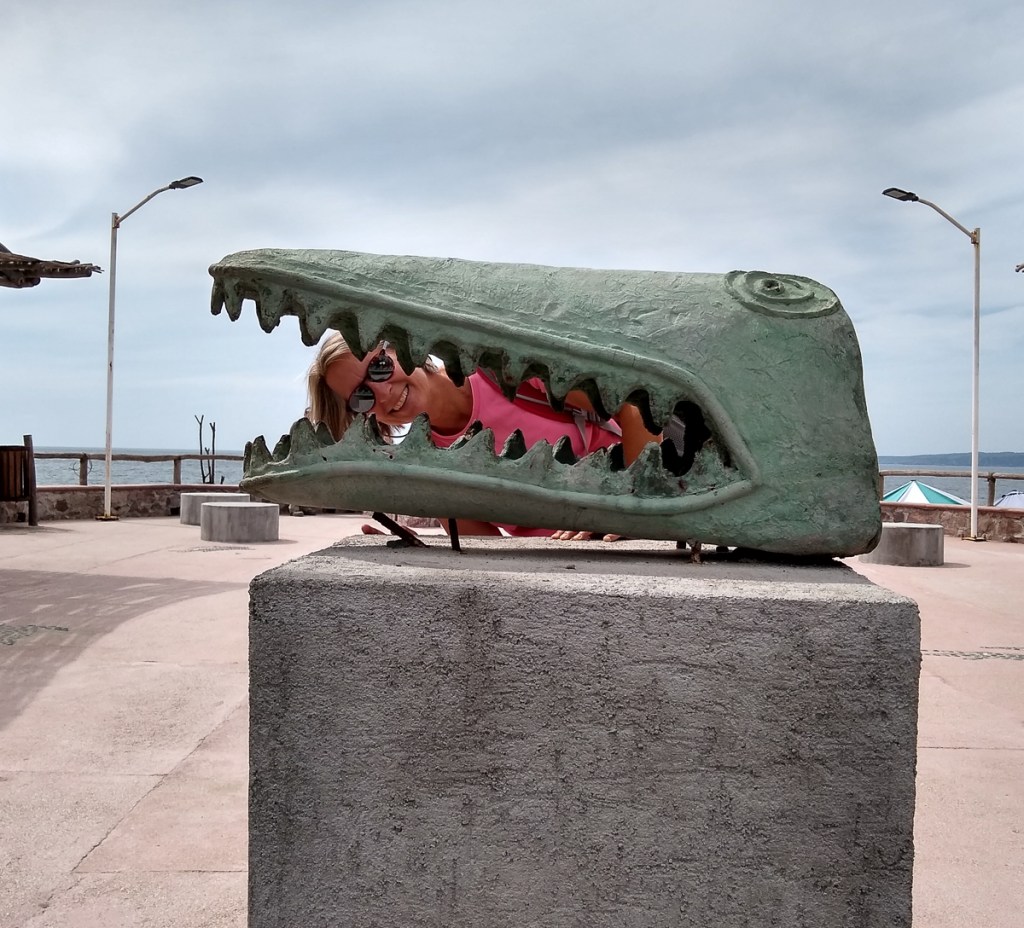
We all wanted to see the crocodile refuge so off we went.
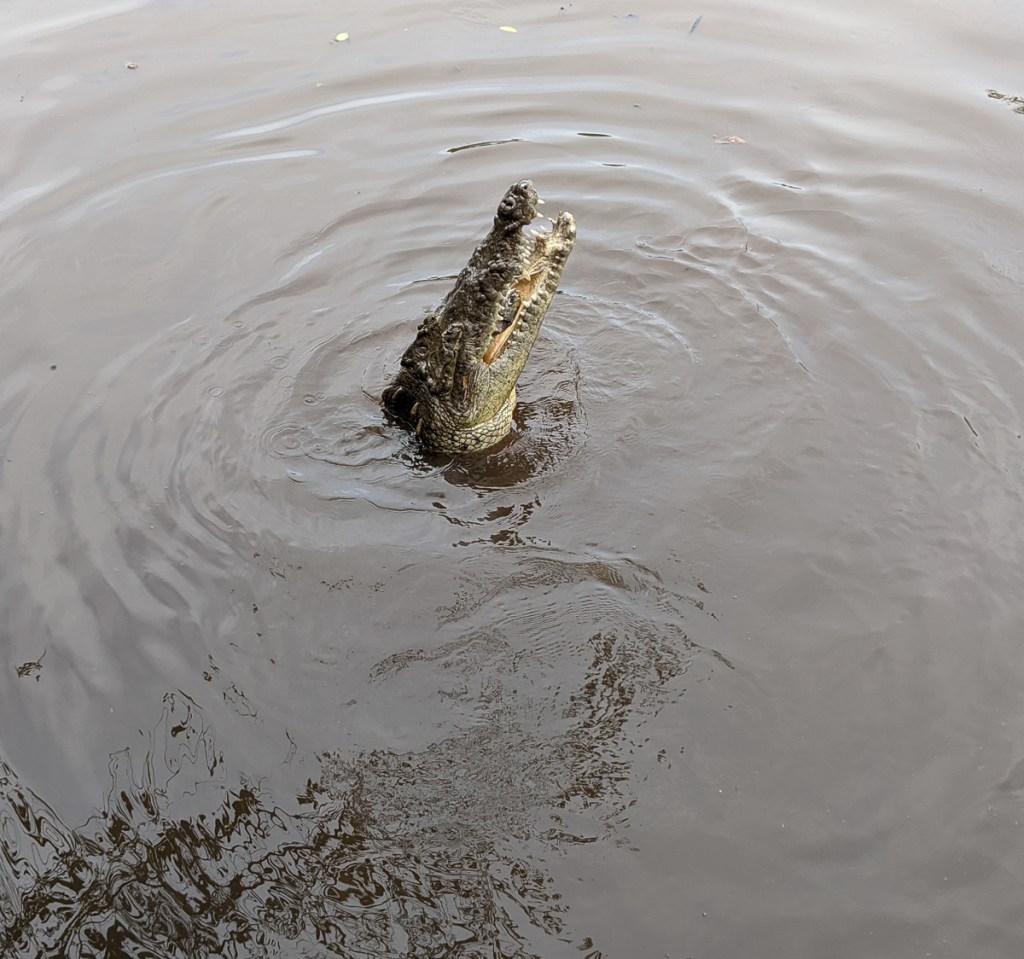

Left: it was feeding time when we arrived at the refuge. The boardwalk is just feet above the water surface. Crocs have a chomp and gulp technique when they eat that we got to observe closer than was totally comfortable.
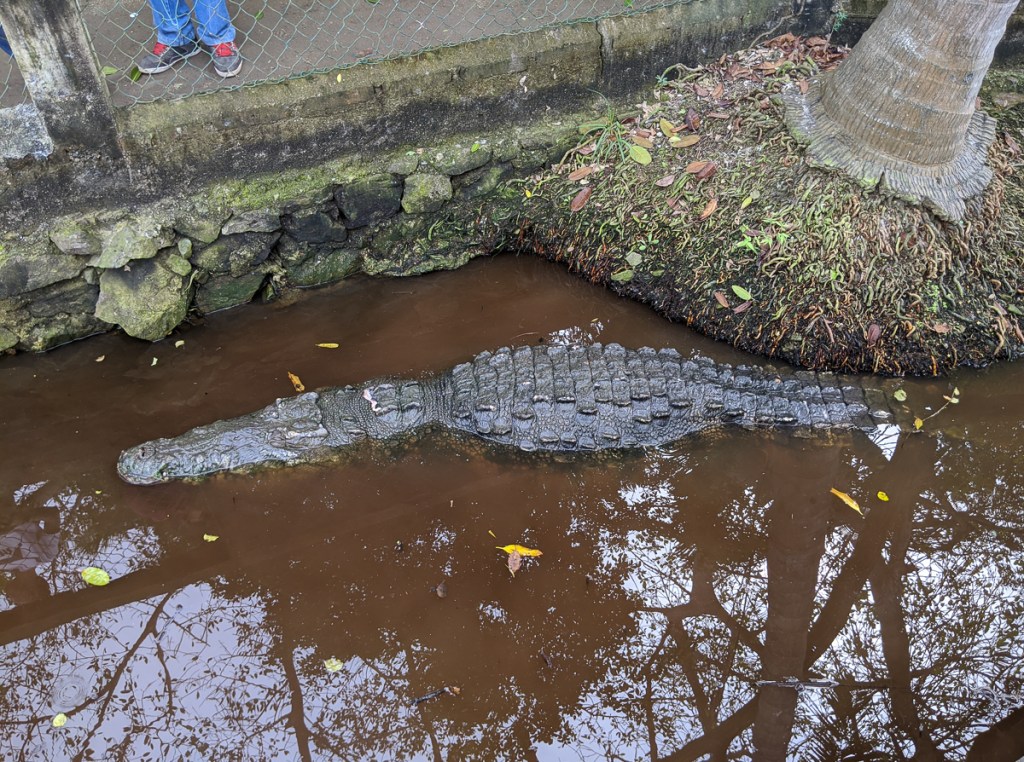
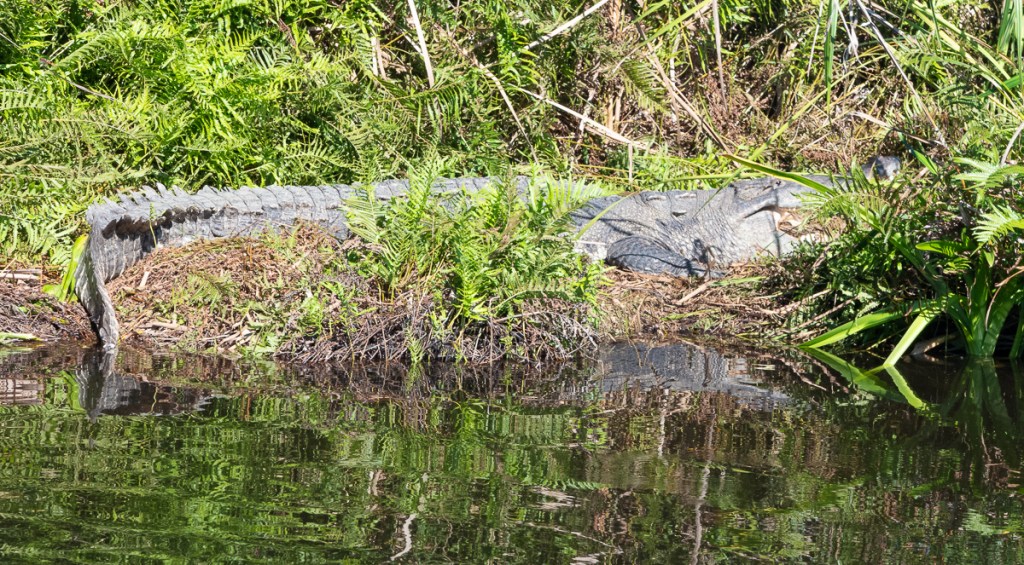
Middle: one of the crocs lounging around. The crocs are American crocodiles, so they can’t handle salt water. Thankfully, or they’d be swimming out among the bay’s snorkelers.
Right: the boardwalk leading to an observation tower. The tower had a number of persons limit, which was a good thing, as it was a bit wobbly.

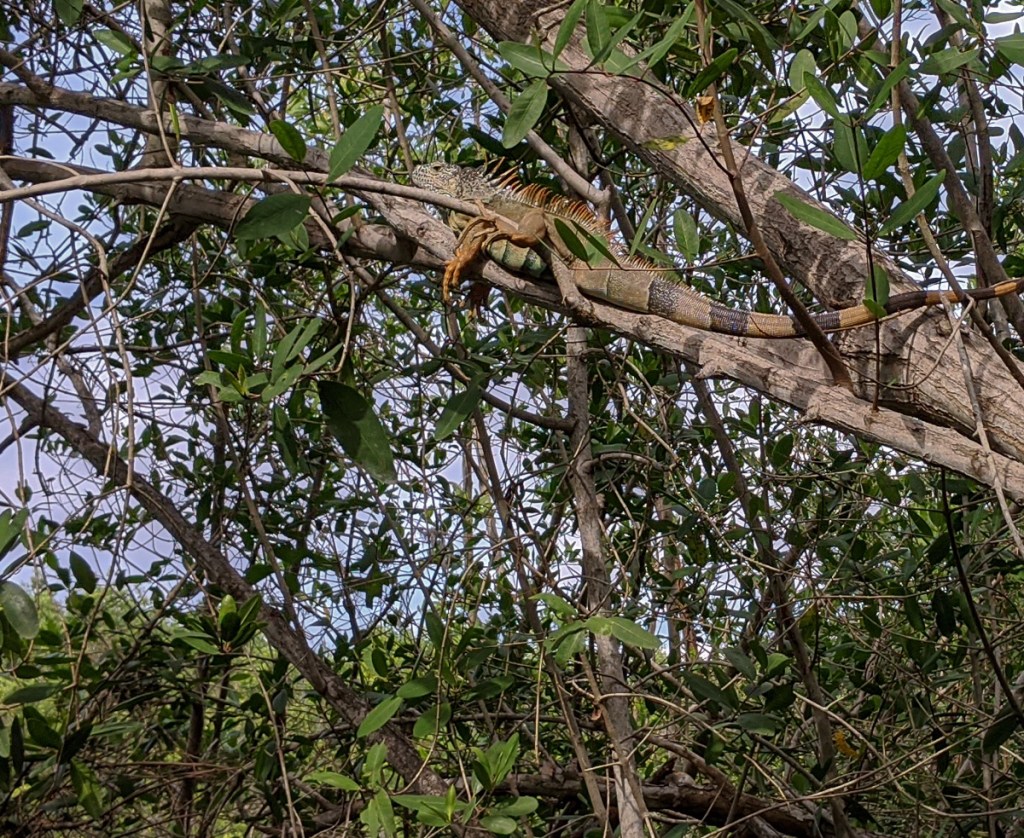
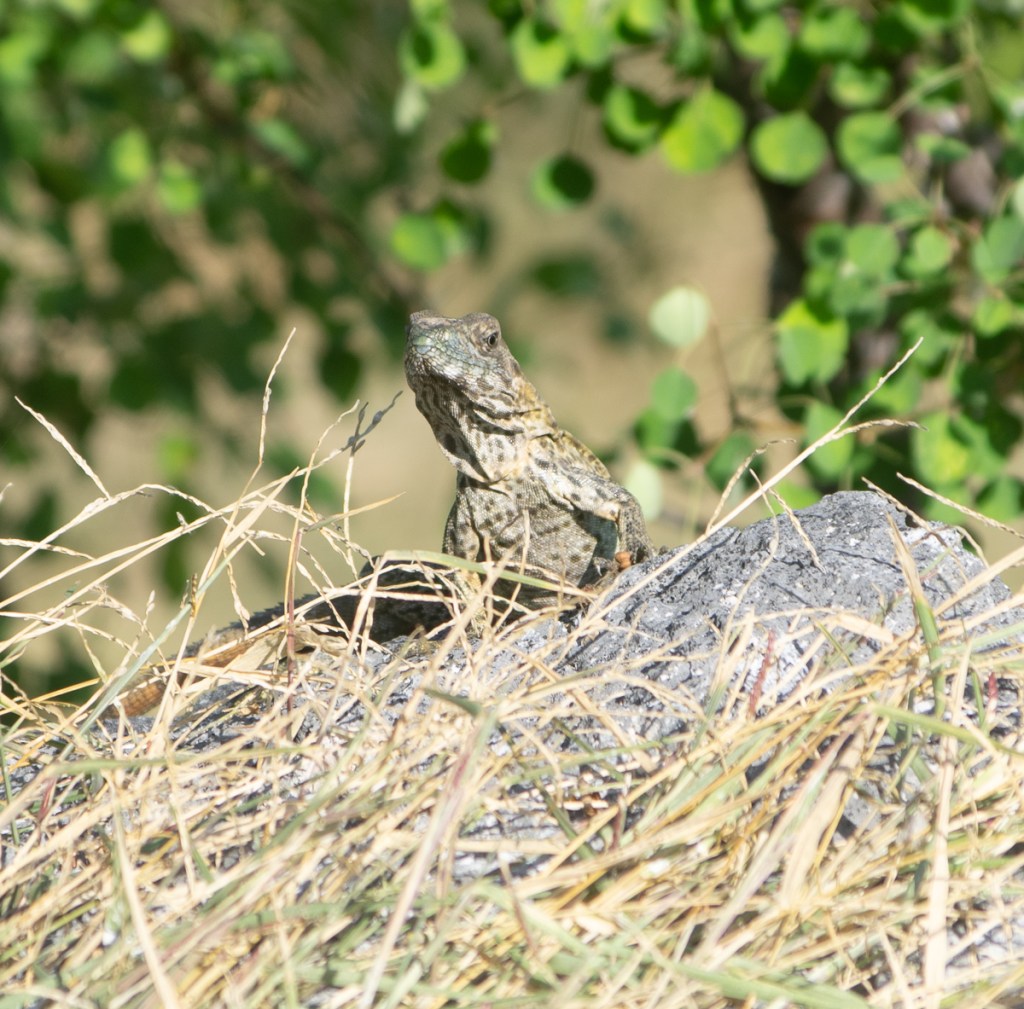
Middle: an iguana in a tree sunning itself.
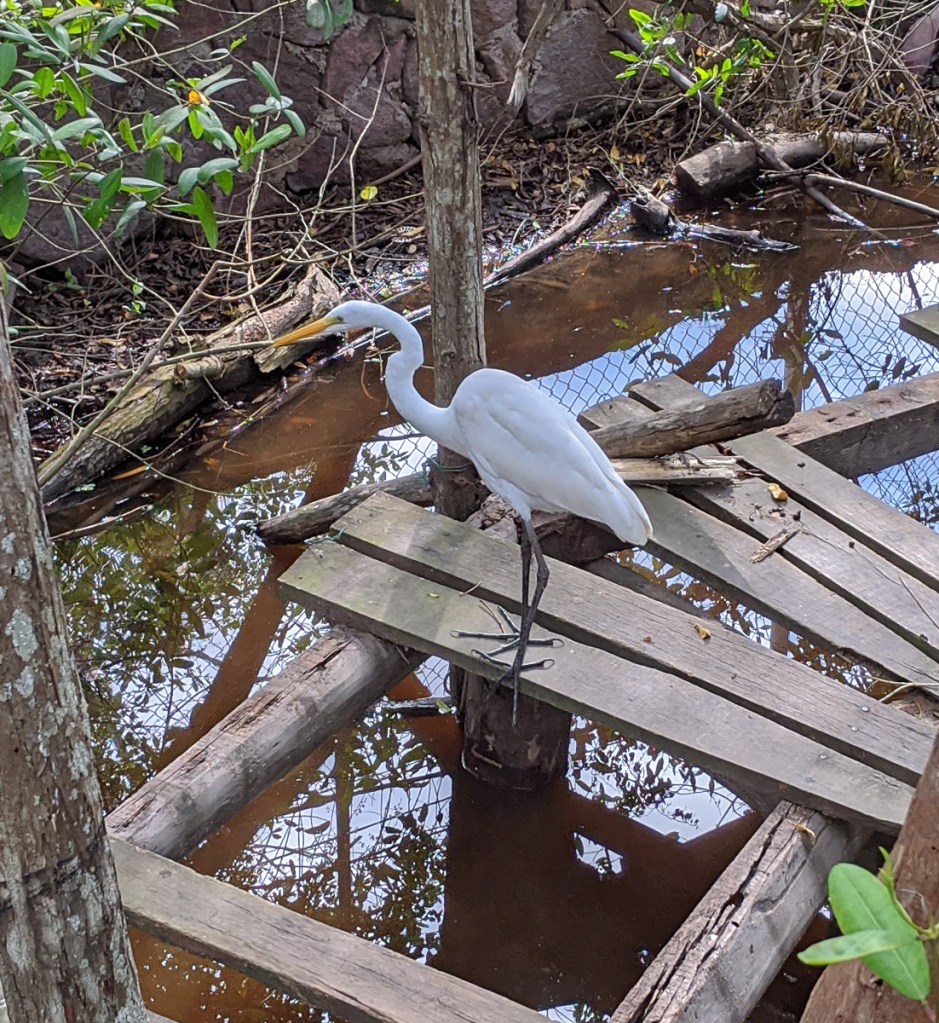
Right: Great Egret on an old boardwalk. Birdlife was abundant in the refuge. We saw some ibis, a number of herons, long tailed grackles, and heard many others. The refuge also has an informative museum (all in Spanish) with some impressive skeletons as well as a display of insects and some local history. We ended up spending about an hour and a half at the refuge.


























































 GypsyKramer