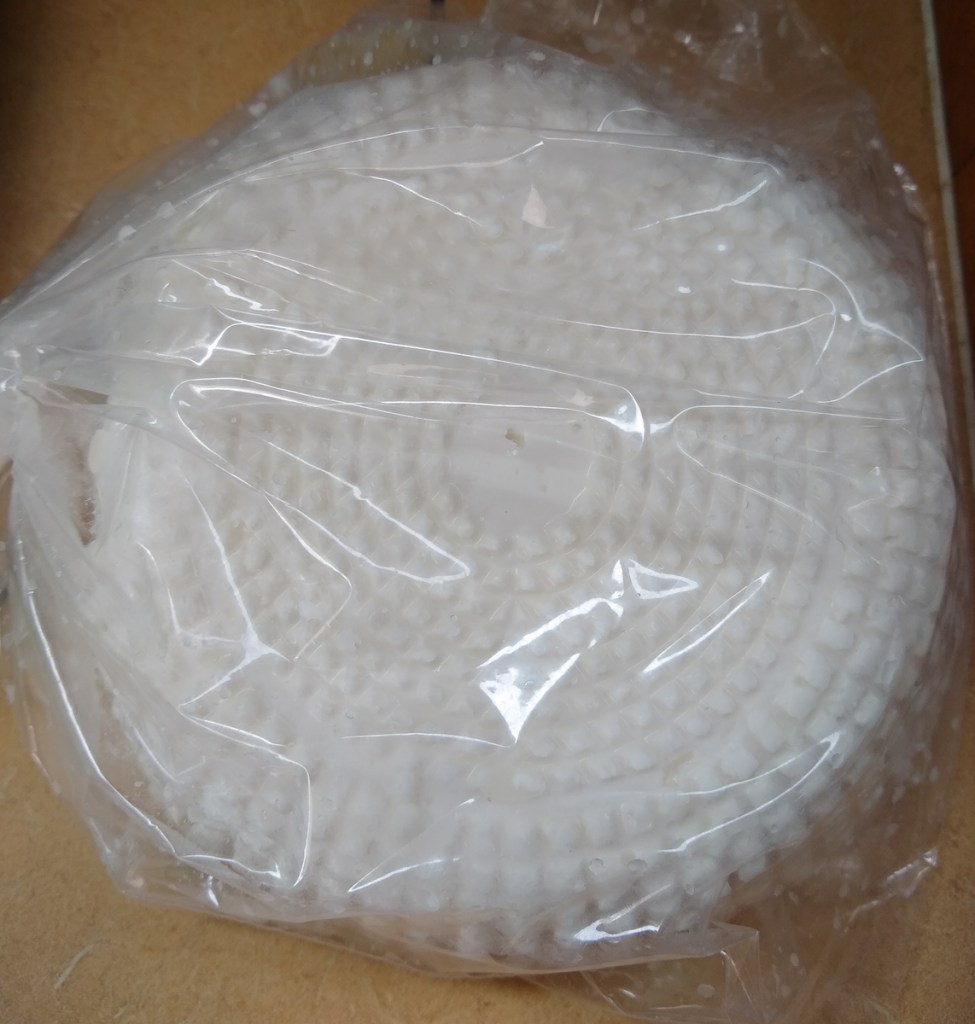
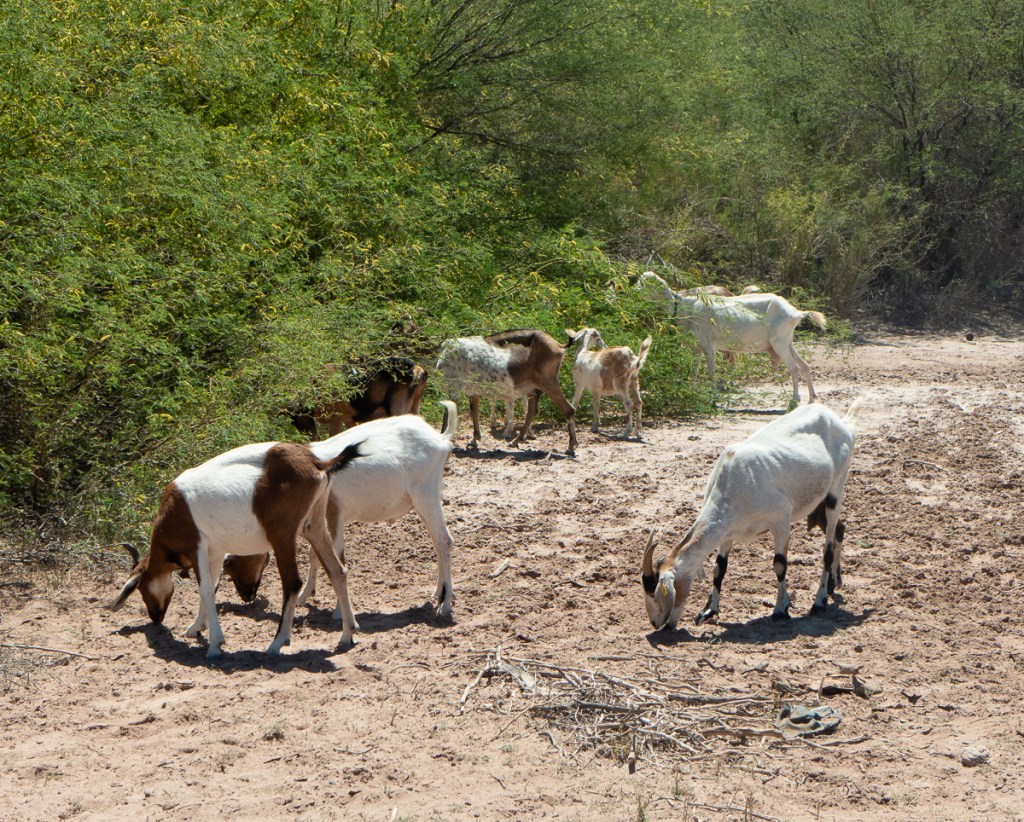
Finally, cheese. Goat cheese from the farm between San Juanico and La Ramada. Fresh made that morning. Secret to the pattern, plastic colander.
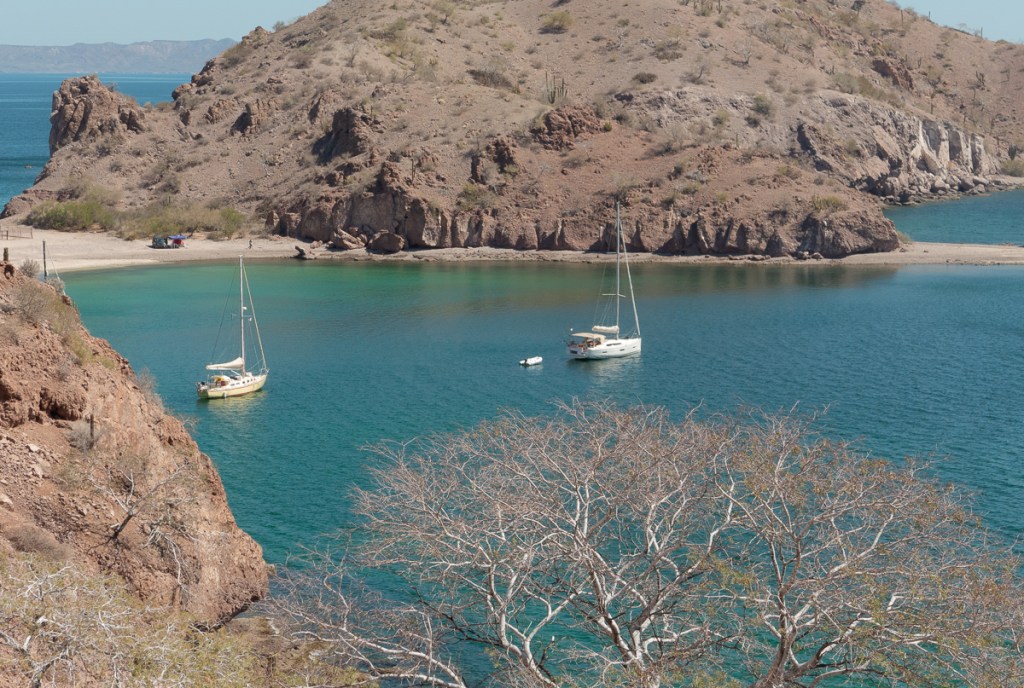
Last season, the farthest north Gypsy got was San Juanico, or if you are a camper, San Basilio, which is the name of the point rather than the bay’s name. The wave and wind forecasts were sounding like we’d be in for a bouncy time if we anchored in San Juanico, so we headed around to the north side of the point and anchored in a little cove called La Ramada, where we’d be safe from anything out of the south. There were three boats anchored there. We knew one of the boats, Raven, from Rose City Yacht Club in Portland, and Interlude, whom we knew from the SSB nets but hadn’t actually met in person yet. It’s always nice to put faces to voices and we soon got to know each other. We played bocce on the beach with Interlude, Raven and a couple of campers from Stevenson, WA.
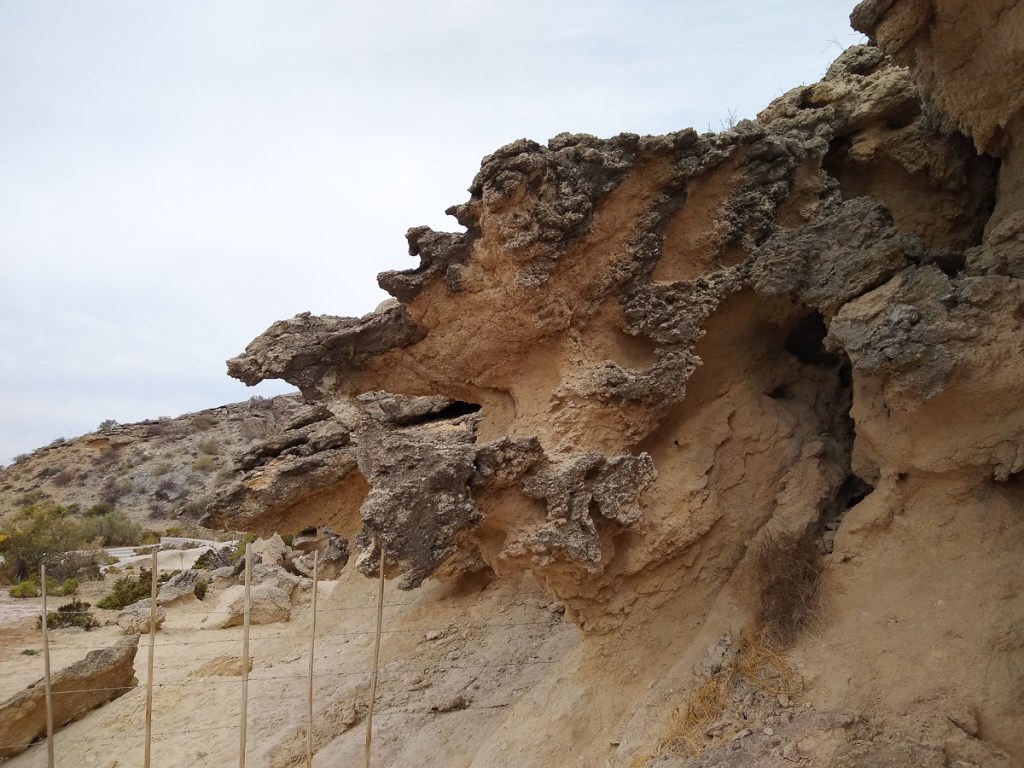
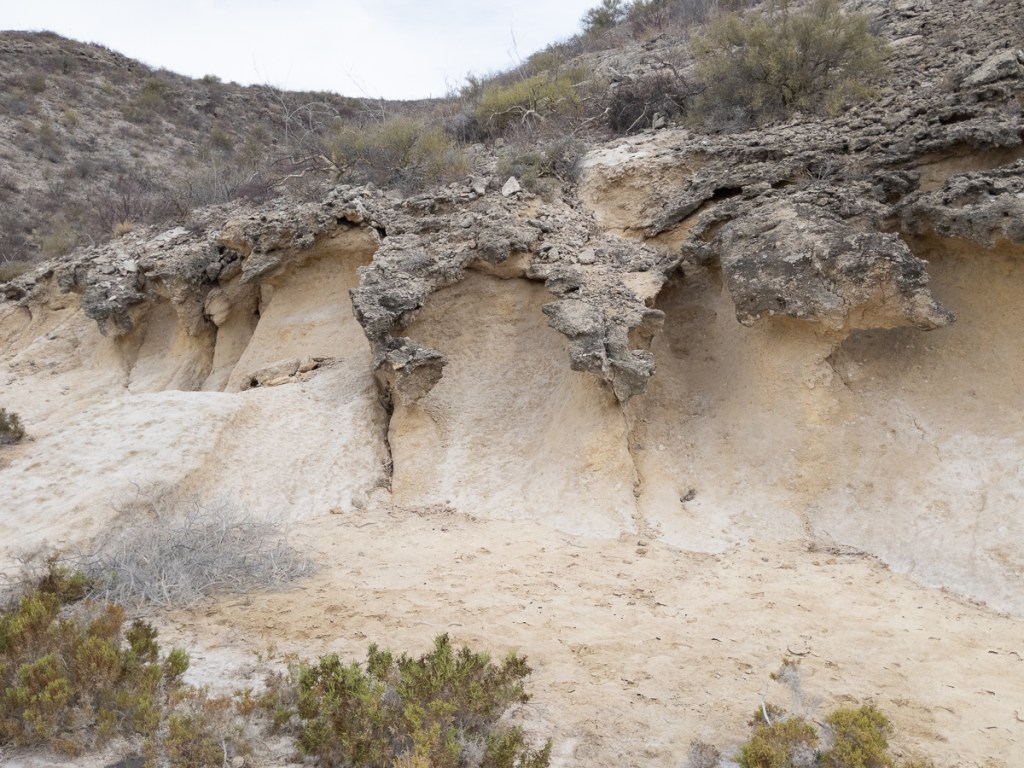

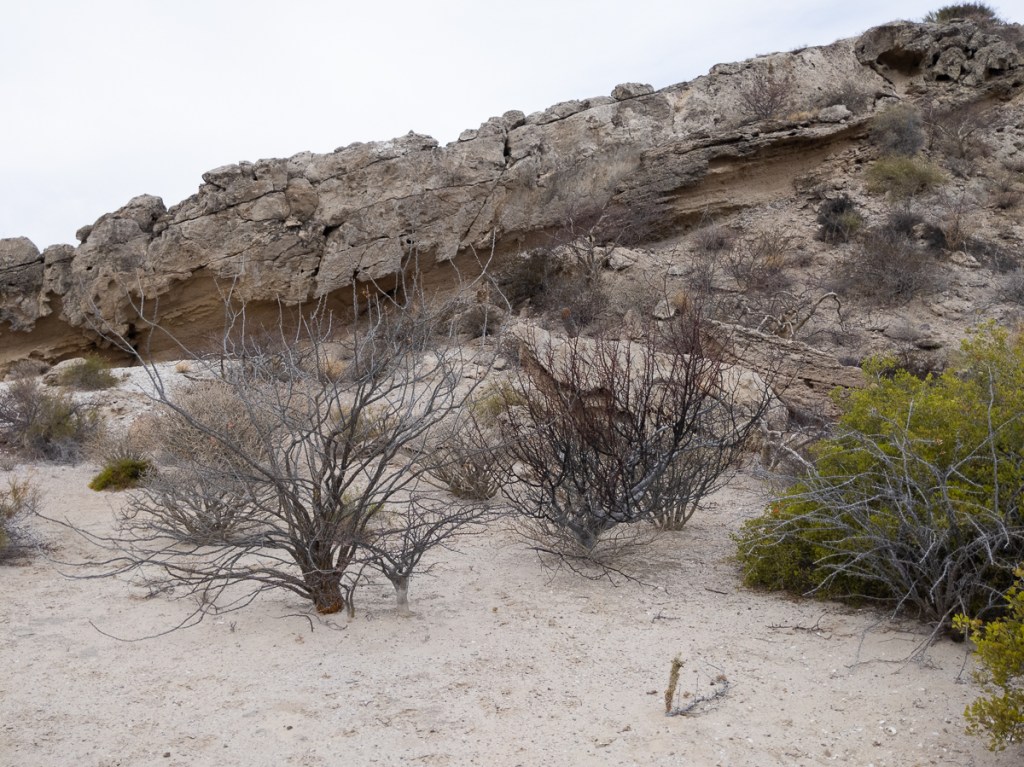

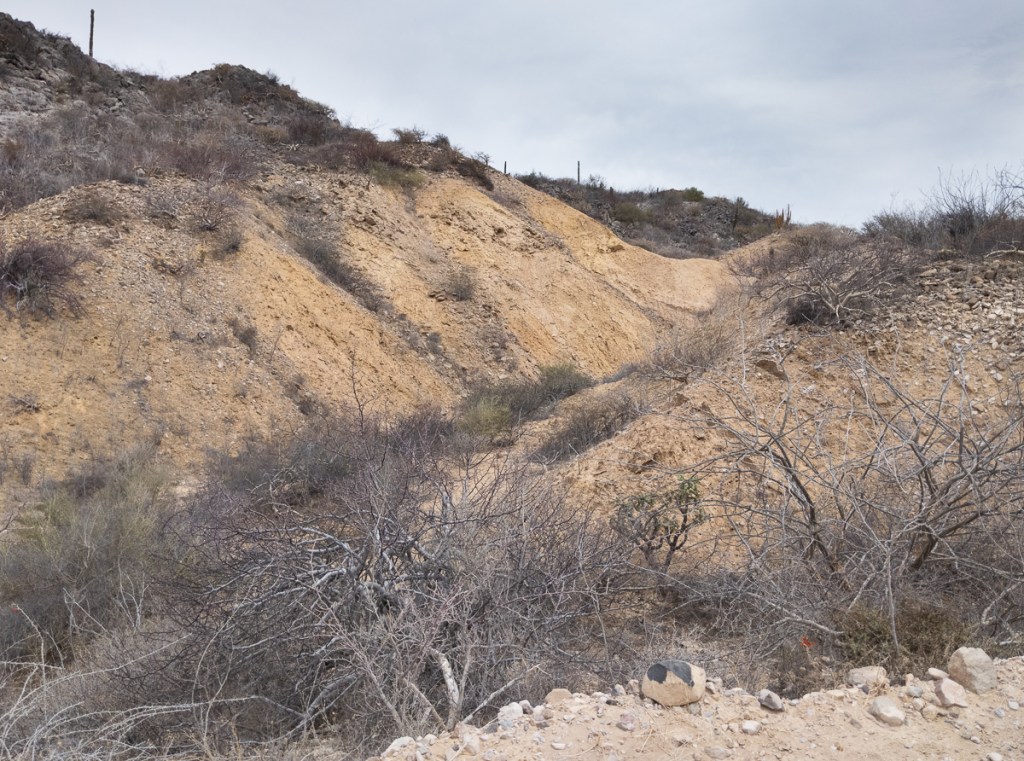

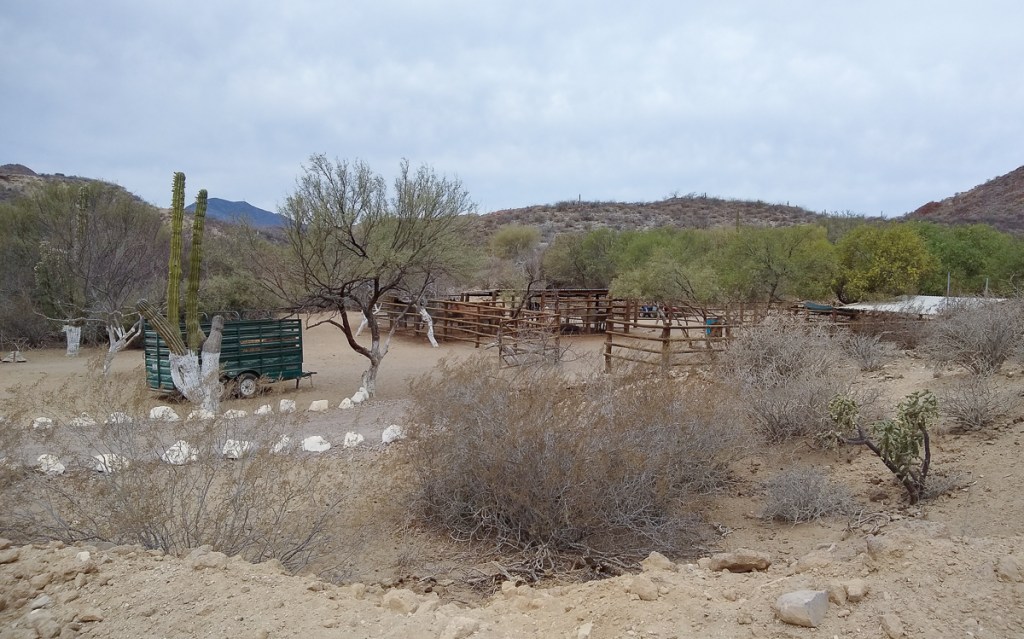
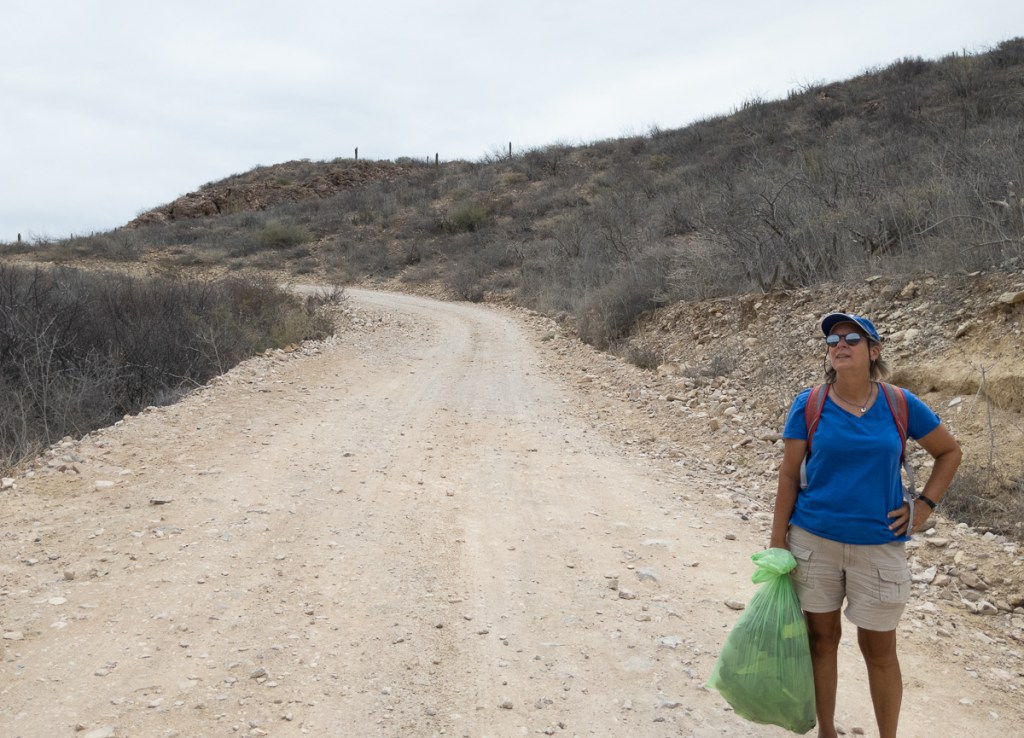
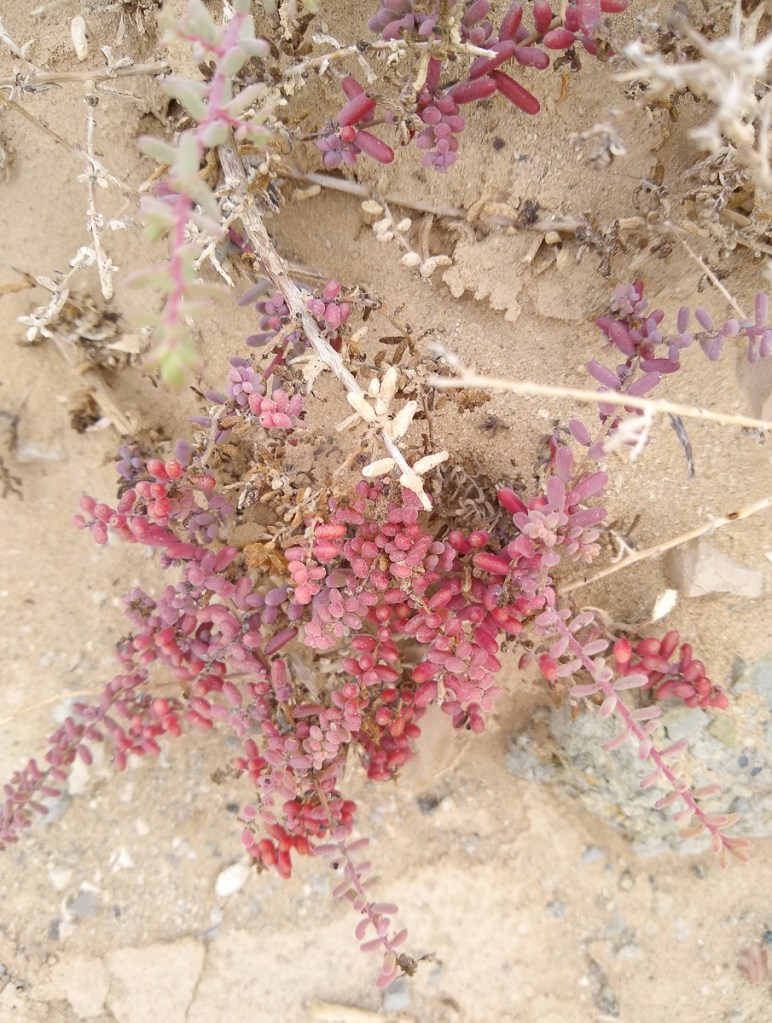
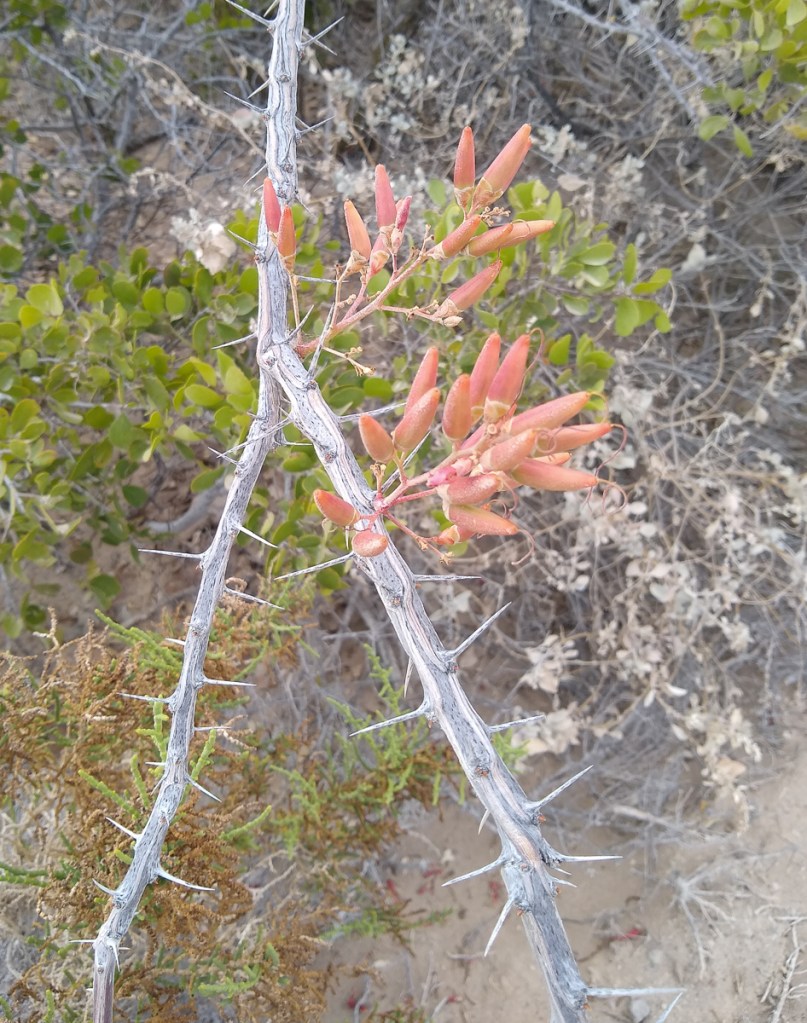
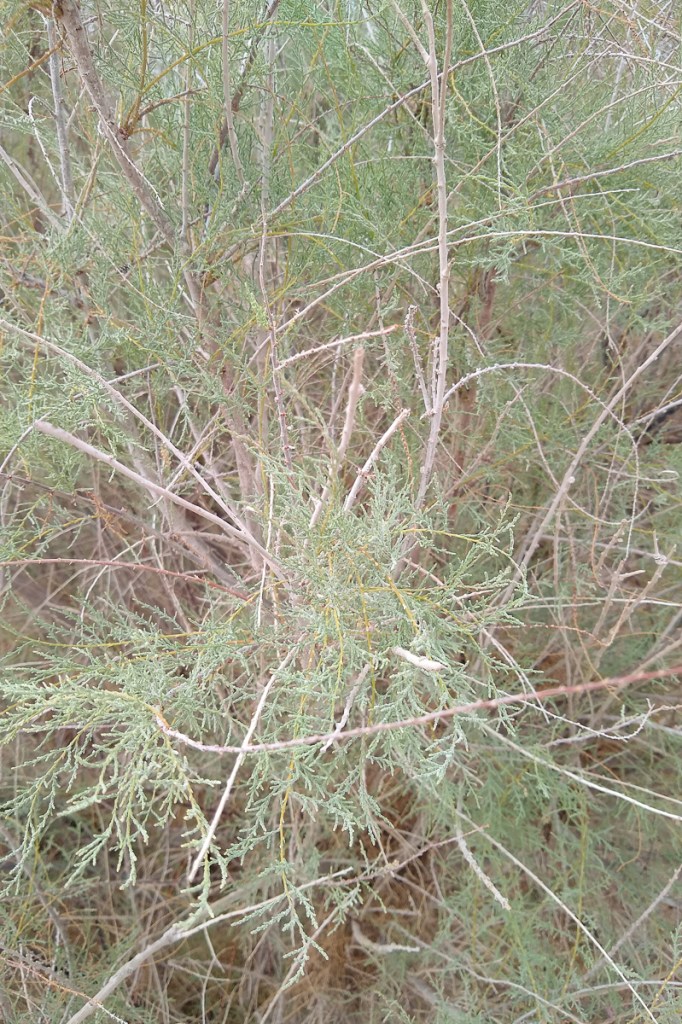


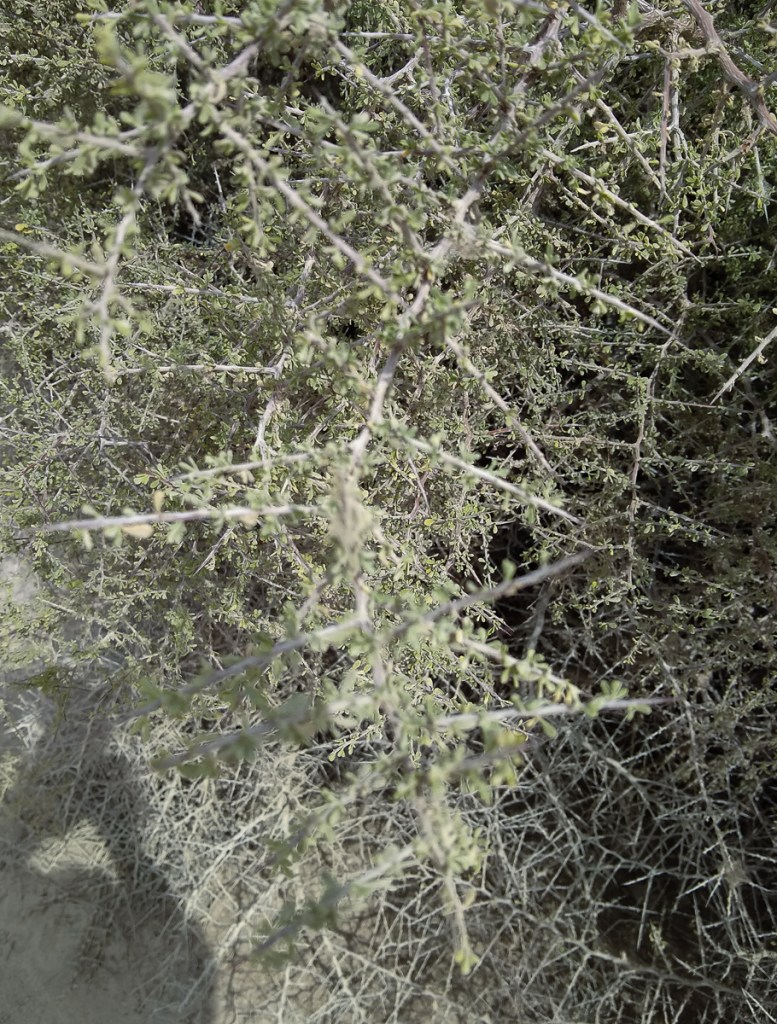
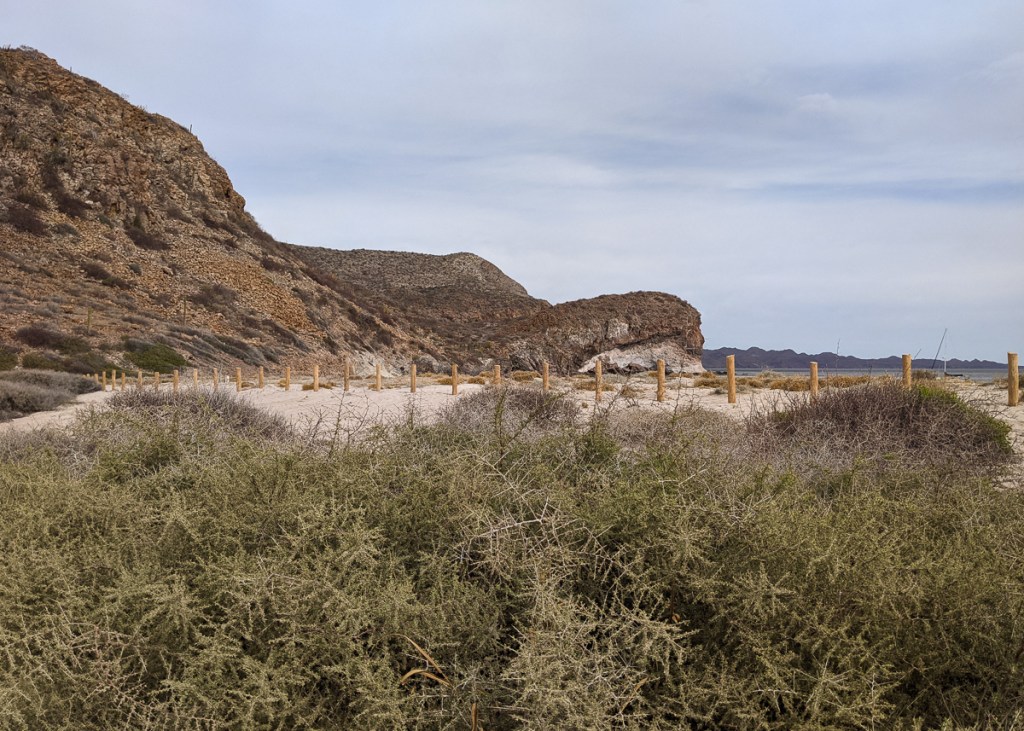
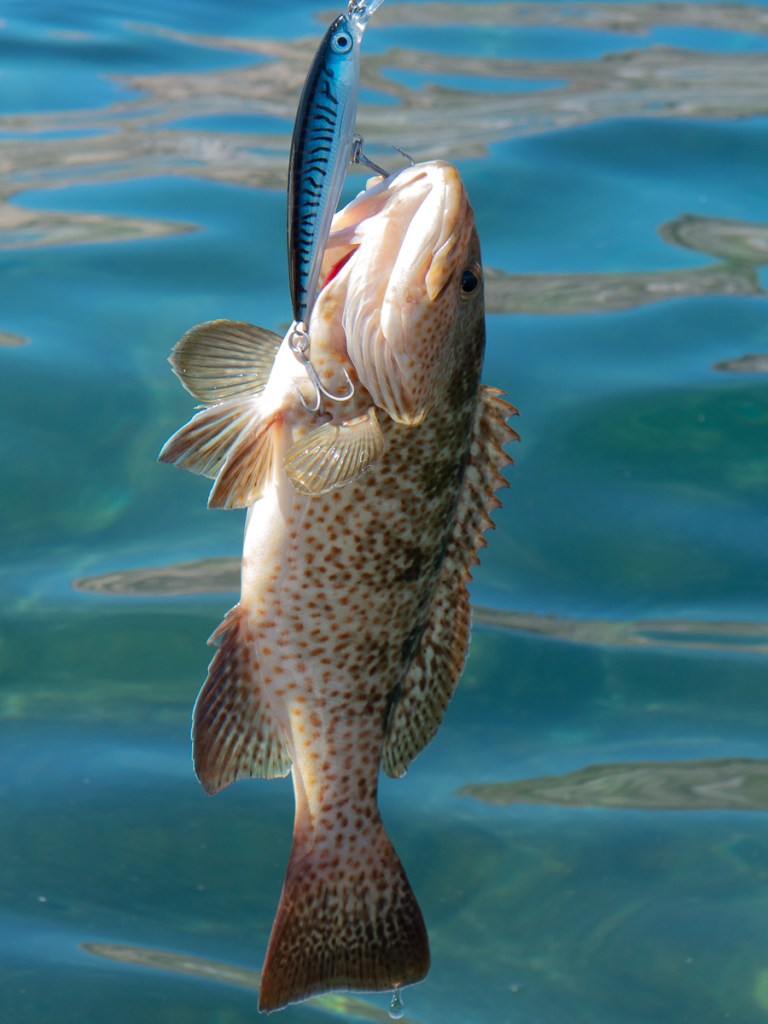
There’s a road that connects La Ramada to San Juanico, and we walked down it to the farm for fresh greens, eggs, and goat cheese. We discovered that fresh raw beets are very good with lime juice. Got some wind thru the night – low twenties. It got a little rolly, but nobody dragged. In the morning, Raven started back to Puerto Escondido to haul out, and we headed north to the south side of San Pulpito with Interlude. The scenery is gorgeous and the fishing was good! We caught a spotted sand bass on a lure that our friend Annie recommended.
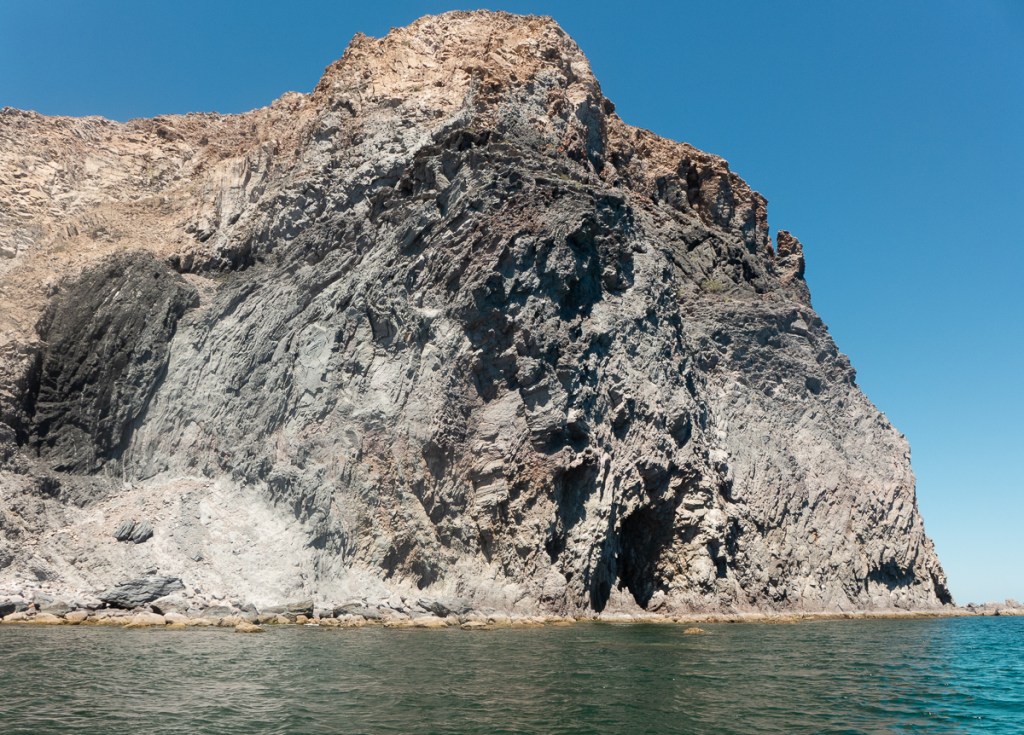
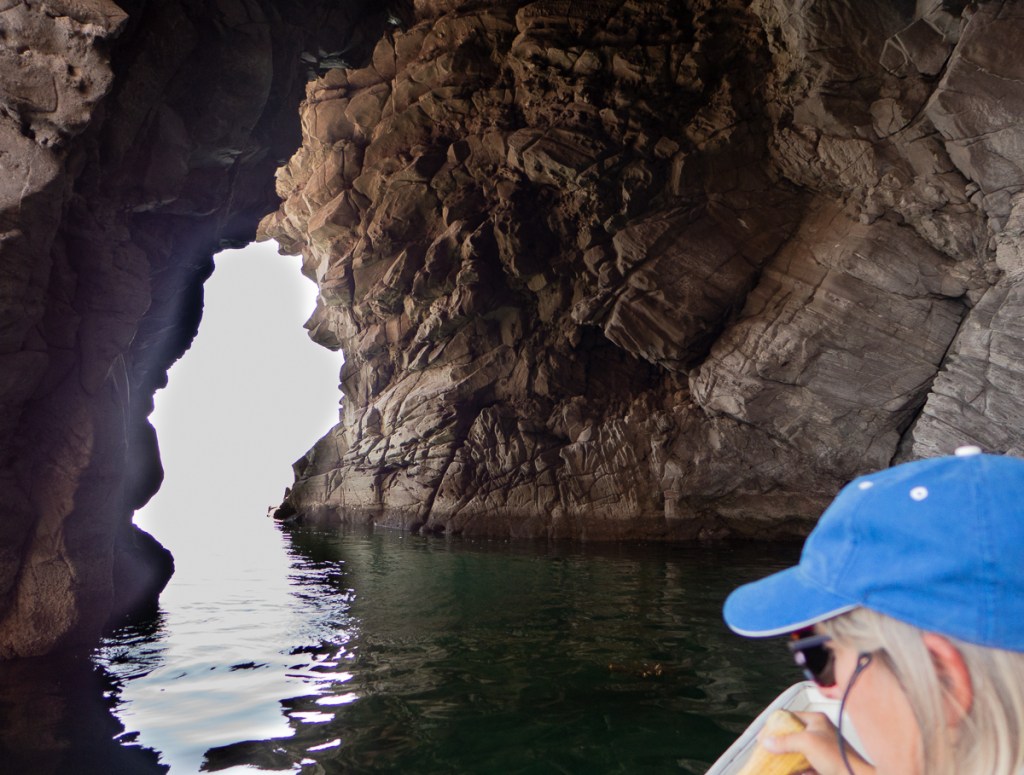
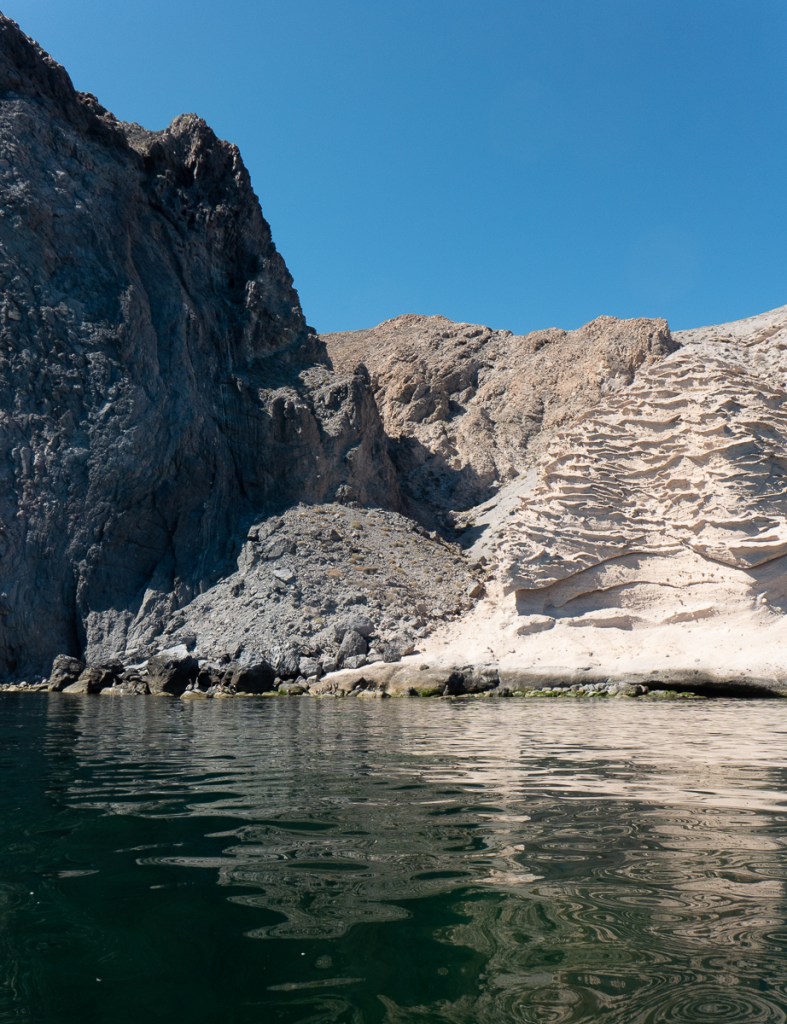
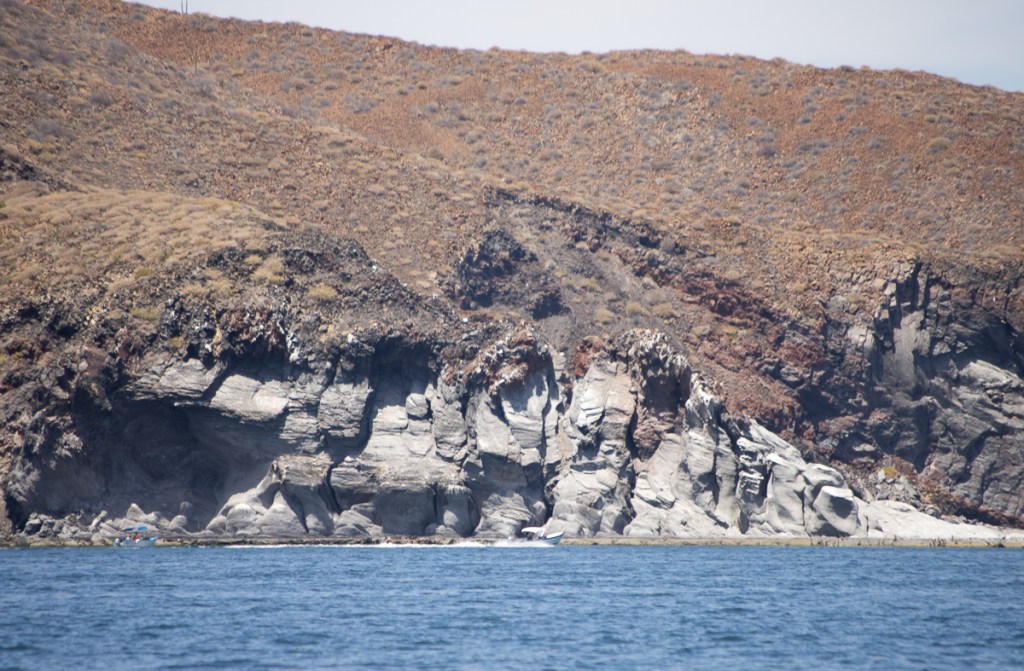
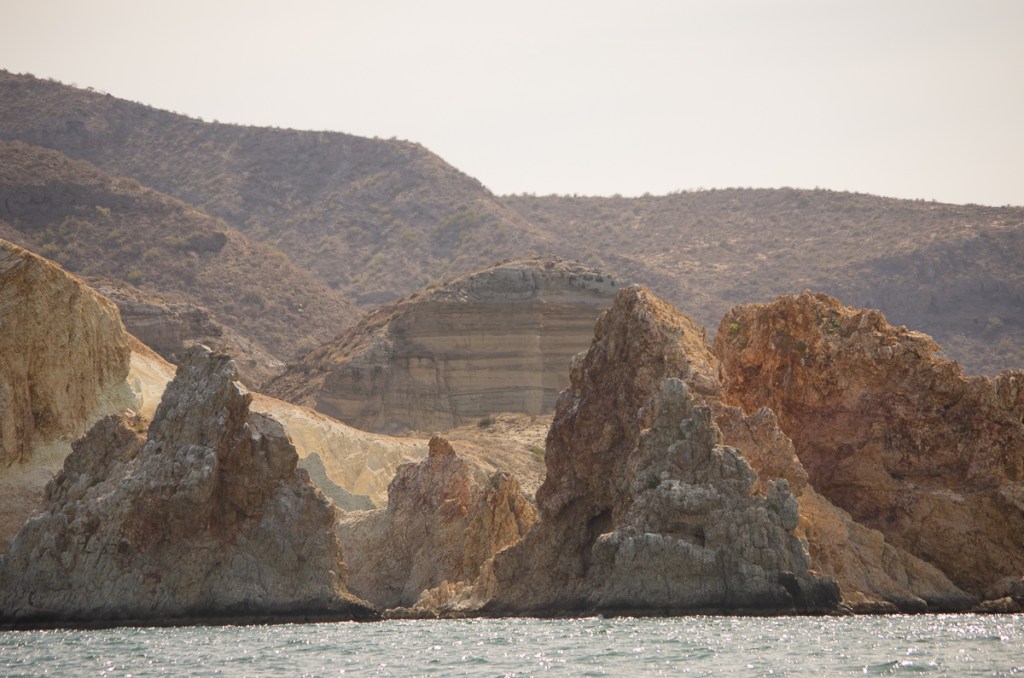
When it’s calm at San Pulpito, you can head out to the point to the sea cave. There’s a huge obsidian plug that you go past on the south side, that has curlicues at its edge. Different kinds of rocks, vertical, ropy, weathered into lacy patterns. When you think it can’t get any more amazing or varied, it does. We dinghied through the sea cave using our paddle. On the way back, we caught more two more sand bass. Interlude had invited us over for happy hour, but when we offered them a fish, we were invited to dinner. We brought fish to grill and brownies for dessert, and Laura made the rest of dinner. In the morning, Interlude headed to the north side of San Pulpito, we were off to Santo Domingo, at the top of Bahía Concepción. Later we heard that Interlude hit a rock and damaged their keel badly enough that they had to make a trip back to La Paz to get her hauled out and fixed.



We realized that we needed to be thinking about haulout plans. Santo Domingo sort of had phone bars so we could call or email folks. We liked Puerto Escondido last year. It’s easy to get to by plane or car, the yard is concrete and the boatyard knows their stuff. When we phoned, we found out we’d waited too long. There were a number of boats there that never splashed, probably Canadians unable to travel due to Covid, and the yard was already full. Javier would see what he could do and we’d talk in a couple of days. Plan B, involved heading over to San Carlos, on the mainland. We contacted them. They had room. After talking with Javier again, it was looking like we’d be hauling out for the summer in San Carlos. At Santa Rosalía we would have better internet and Bill was able to work it out with the marina and yard in San Carlos.







 GypsyKramer